40,000 Salmon Wasted as Alaska Senate Race Heats Up
Pollock trawlers in the Bering Sea have caught 40,000 king salmon so far this year, a bycatch issue that has become the central battleground between Dan Sullivan and Mary Peltola.
By Benjamin Rousseau ·
Pollock trawlers in the Bering Sea have caught 40,000 Alaska salmon so far this year. These fish are scooped up by accident in nets designed for pollock and then discarded, a practice known as bycatch. This waste has become the defining issue in the tight race for the U.S. Senate seat in Alaska.
The conflict pits the state's largest export industry against rural communities that rely on river runs for food and culture. The pollock fishery is valued at $1 billion, with a significant portion of the fleet based in Seattle. These vessels use sock-shaped nets that are a quarter mile long, with openings as wide as a football field.
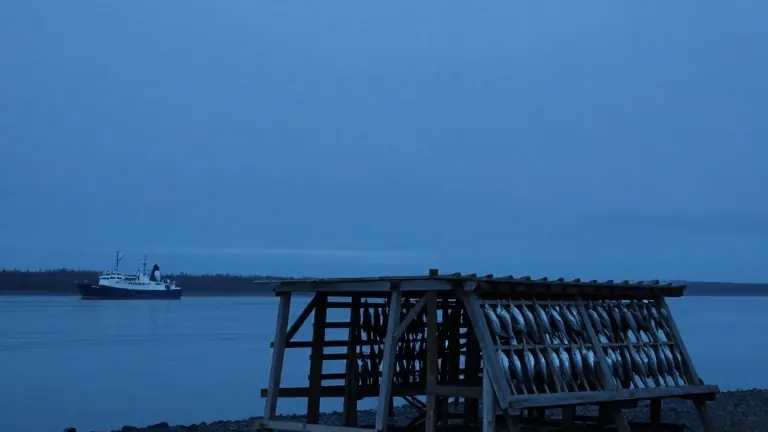
Evon Waska lives on the Kuskokwim River, where his family settled generations ago. His drying racks, which should be full of salmon, sit empty because too few fish have returned from the Bering Sea. Government agencies often close the river to subsistence fishing to conserve stocks, leaving Waska and his neighbors without a food source. He argues that the industry remains open while local families are shut out.
Republican incumbent Dan Sullivan has historically aligned with the pollock industry. This year, however, he is pushing a new bill he describes as the most comprehensive bycatch legislation ever created. The proposal aims to reduce bycatch and protect seafloor habitats. Sullivan is asking voters to thank him for this effort in political ads.
Mary Peltola, the Democratic challenger and a member of the Kuskokwim Indigenous community, calls Sullivan's bill an election year ploy. She notes that Sullivan has raised over $300,000 from trawler interests. Peltola proposes banning factory trawlers, which are the largest vessels in the pollock fleet. She characterizes Sullivan's legislative move as a half-hearted solution offered at the last minute.
Heather Mann, who leads a trawlers association, disputes the idea that the pollock fishery is the primary cause of the decline. She states that even if the industry were eliminated entirely, scientific data suggests the impact on salmon runs would be minimal. The waste from bycatch represents a small fraction of the total massive pollock harvest, according to industry figures.
In the village of Kwethluk, the impact is felt in daily life. Subsistence fishing is the main occupation and the backbone of local culture. Mary Nikolai, the tribal president, visited a neighbor's cold smokehouse that had been unused for the entire summer. She describes the situation as a slow trend of closing out the local workforce.
The race has drawn attention to the economic and cultural stakes of the fishery. Political ads across the state feature imagery of fish and debate the merits of bycatch reduction. Sullivan champions his new legislation, while Peltola highlights her Indigenous heritage and her plan to ban the largest trawlers. Both candidates are using the salmon shortage to define their positions on economic development and environmental protection.
The outcome of the election could influence national power dynamics in Washington, D.C. Regardless of the winner, tribal leaders hope the close race brings national attention to the threat facing western Alaska's rivers. The debate centers on how much weight to give industrial fishing revenue versus the preservation of traditional subsistence practices.
Source: WYPR