Image-to-video tools transform static travel photos into animated scenes
Travelers and tourism businesses are using AI to add subtle motion to existing photographs, aiming to replicate the atmosphere of a destination without new shoots.
By Michael Lombardi ·
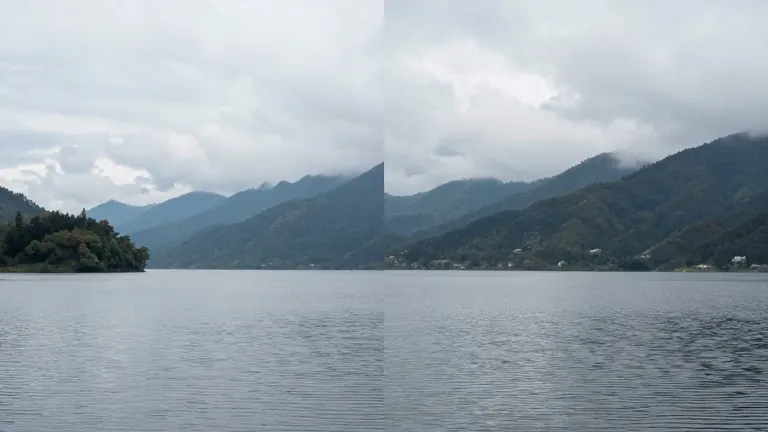
Travel photography has long struggled to capture the sensory experience of a location, specifically the wind moving through trees or waves reaching a shore. The image-to-video process offers a solution by converting static photographs into short, moving clips. This technology allows users to animate existing images rather than organizing new photo shoots.
The approach is gaining traction among travelers, content creators, and tourism businesses. The primary goal is to add depth and atmosphere to a scene while preserving its original character. Creators are advised to focus on the distinctive mood of a destination, such as the energy of a busy night market or the calm of a lakeside retreat, before applying any animation.
Effective animation relies on elements already suggested by the image. Water, trees, and clouds provide natural opportunities for movement. A photograph of a European street, for example, might feature subtle shifts in sunlight or a moving pedestrian while the architecture remains stable. This technique makes the scene feel alive without altering recognizable structures.
Preserving unique details is a central challenge. Complex architecture or overlapping objects can distort during the animation process. Buildings may bend or windows may change shape if the motion is too aggressive. For this reason, professionals recommend limiting movement to the surrounding environment or using slow camera approaches when the main subject is a historic building or a specific mountain ridge.
Camera movement also plays a key role in guiding the viewer’s experience. A slow push toward a waterfall emphasizes scale, while a sideways pan across a village reveals more of the setting. The direction of this movement must be clear to avoid distracting from the destination. Dreamina is one tool creators can use for this process, though control and quality vary between different platforms.
Creating a cohesive narrative often requires multiple clips. A short feature might begin with a wide animated landscape, move to a local café, and end with a walking trail. The sequence should follow a logical order, establishing the setting before introducing local character. Mixing animated clips with still images can also create a better viewing rhythm for the audience.
Final output requires adjustment for the specific platform where the video will be viewed. Mobile feeds typically require vertical framing, while website features work better in wide formats. Businesses using these clips for promotion must verify that the generated motion accurately represents the actual destination. They must also check licensing terms before commercial publication to ensure the imagery remains trustworthy.
Source: Yonkers Times