Military Bio-Tech: Warhound Secures $200M for Gene-Edited Service Dogs
Palmer Luckey's new venture aims to engineer canines for explosives detection, drawing investment from Sequoia and cloning support from Colossal Biosciences.
By Benjamin Rousseau ·
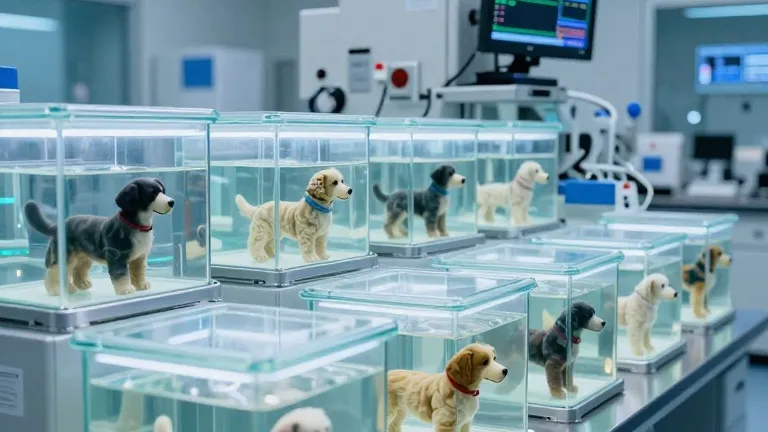
Palmer Luckey, the co-founder of Oculus, has entered the defense sector with a new venture called Warhound. The startup intends to genetically modify dogs to serve in military roles, specifically targeting their ability to detect explosives and provide protection for troops. The company has announced a funding round of $200 million, a sum that signals strong investor confidence in the application of biotechnology to combat logistics.
The capital includes participation from Sequoia, a major venture capital firm. Colossal Biosciences is also involved in the project, providing technical assistance with cloning and gene-editing processes. This collaboration merges consumer biotech expertise with military requirements, creating a supply chain for enhanced service animals that relies on advanced genetic tools rather than traditional breeding methods.
The announcement arrived alongside other major developments in the life sciences sector. Moderna and Merck reported that their mRNA cancer vaccine reduced death rates by 42%. The therapy also demonstrated a lower risk of disease recurrence in patients treated for melanoma. These clinical results suggest that personalized mRNA approaches are moving from experimental stages to standard treatment protocols in oncology.
In gene editing, researchers confirmed that prime editing has been successfully applied to a human patient for the first time. The technique allows for precise rewrites of DNA in liver cells, offering a more targeted method for correcting genetic disorders. This milestone marks a transition from theoretical laboratory success to practical medical application in living subjects.
Cybersecurity concerns dominated the software sector following the disclosure of several flaws in the PHP programming language. Although the vulnerabilities caused temporary outages for websites globally, experts noted that successful exploitation has been rare. Patches were distributed to address the issues, and volunteer developer Ondrej Sura played a key role in fixing the code. Ian Landsman, a software developer, highlighted Sura's contribution on social media, warning that the stability of the internet relies on such individual efforts.
Political and energy news also featured in the reports. Donald Trump stated that Elon Musk had restored Ukraine's access to Starlink. However, President Volodymyr Zelensky countered that internet speeds remained capped, a point supported by reports that Trump requested the limits be lifted. In the energy sector, Google launched a virtual power plant program that compensates customers for adjusting their energy usage to free up capacity for data centers. Conversely, a separate report alleged that the company illegally cut down 250,000 trees in Finland for data center construction.
Source: MIT Technology Review