Trump Orders AI Data Centers to Share Energy Surplus with Local Communities
The President has directed hyperscalers to distribute excess power or financial dividends to residents to mitigate rising electricity costs and local opposition.
By Michael Lombardi ·
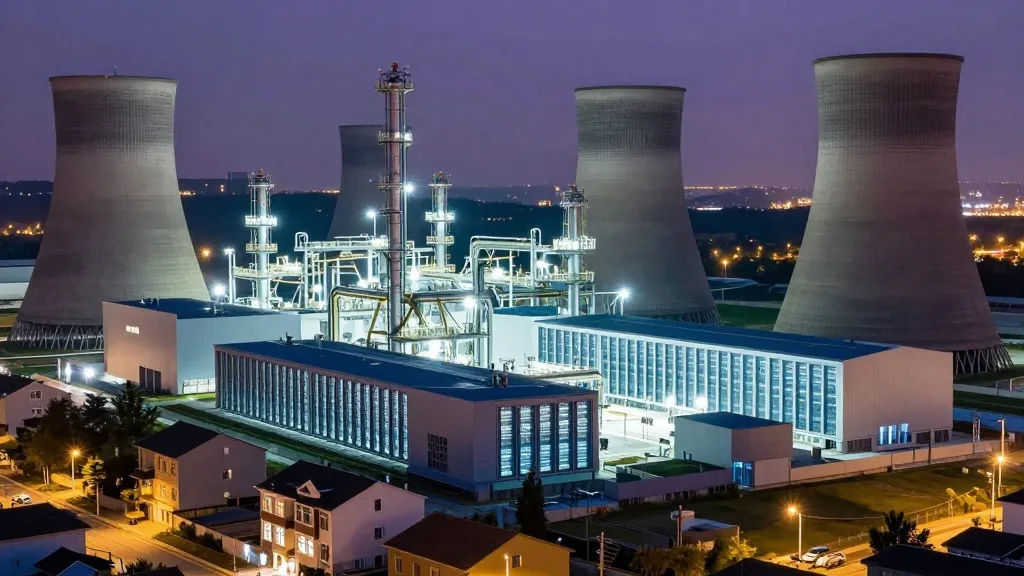
Tensions between massive AI infrastructure projects and the neighborhoods hosting them have reached a boiling point across the United States. President Donald Trump has now moved to address these grievances by announcing a new directive for data center builders and AI hyperscalers. The mandate requires these entities to provide a direct energy dividend to local communities, aiming to offset rising utility bills or even reduce them to make the facilities more acceptable to residents.
In a post on Truth Social, the President warned that the new rules go beyond previous requirements for data centers to generate their own electricity. He stated that operators must now either give or sell their excess energy back to the local grid. This move is designed to counter the significant impact these facilities have on small towns, where residents have been protesting over noise pollution, water shortages, air quality issues, and deforestation linked to the rapid expansion of AI computing power.
The administration is operating under the pressure of the global AI arms race with China, seeking to maintain momentum while winning back public favor. By making data centers pay something back to the affected areas, the White House hopes to smooth the path for new construction. The practical mechanism for this dividend is still under consideration, but given the focus on electricity, it may take the form of partially covering the rising energy costs that directly impact homes in the vicinity of these data centers.
This directive builds on a recently passed act that obligates data centers to cover the costs of grid upgrades, ensuring these expenses are not shifted to local taxpayers. The administration had previously ordered these companies to produce their own power, a requirement that now extends to managing the surplus generated. This excess power could be leveraged to further lower electricity costs for locals, creating a tangible benefit for the communities that host these energy-intensive facilities.
Trump emphasized the economic incentive behind the policy, noting in his social media post that data centers which were once highly unpopular in certain areas have become extremely popular once a financial deal was struck. He urged industry leaders to "MAKE DEALS" to get these projects built, suggesting that a clear financial structure can turn hostile neighborhoods into supportive partners for AI expansion.
However, the sufficiency of this energy dividend remains a point of debate among observers. While the financial aspect addresses one major pain point, it does not resolve other significant challenges. Enormous water consumption, ecological damage, and pollution continue to make AI data centers a difficult sell in many locations. Critics argue that the economic benefit alone may not be enough to overcome the environmental and logistical hurdles faced by local residents.
The timing of this announcement is critical as the administration looks to balance rapid technological advancement with public relations. By focusing on the energy surplus, the White House is attempting to create a feedback loop where local communities benefit directly from the infrastructure that powers the AI boom. Whether this approach will successfully mitigate long-standing complaints about noise and resource usage remains to be seen in the coming months.
As the industry moves forward, the focus will shift to how these deals are structured and enforced. The mandate sets the stage for a new era of negotiation between tech giants and local governments. For now, the directive stands as a significant step in reshaping the relationship between AI data centers and the communities that surround them, with the potential to influence future development projects nationwide.
Source: Tom's Hardware · original report published