Connecticut: Random citizens draft property tax plan
A group of 100 randomly selected residents spent months debating tax policy, resulting in a proposal now being handed to the state legislature.
By Benjamin Rousseau ·
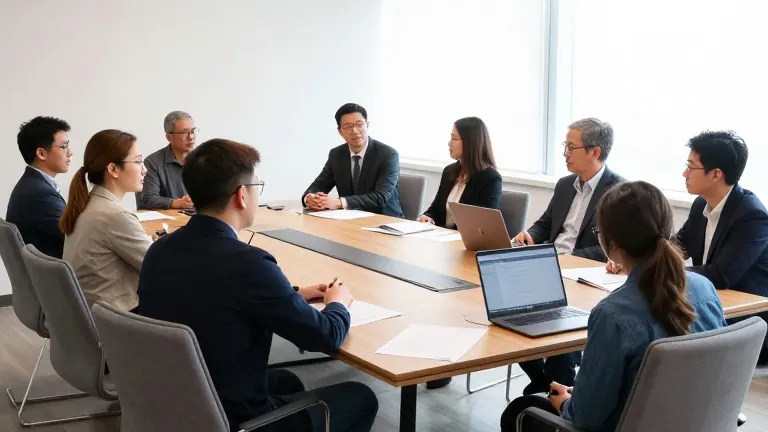
A proposal containing ten specific recommendations to overhaul Connecticut's property tax system was released this week. The plan includes a tax on high earners and a strategy to regionalize school districts. This document is the final output of a multi-month experiment involving 100 randomly selected citizens.
The process began last year when state Comptroller Sean Scanlon agreed to a concept proposed by a group of academics. The goal was to create a random jury of ordinary residents to address the state's high property taxes. Scanlon noted that previous reports on the issue often received brief media attention before being ignored. He said, 'Every few years, somebody like me comes along, and what happens is they write a report, that report gets a couple days of press, and then it collects dust on a shelf.'
The project was led in part by Helene Landemore, a Yale professor and author of 'Politics Without Politicians.' Landemore has studied citizen assemblies in France, the Netherlands, and Ireland. She argued that traditional politicians often share specific personality traits that can hinder democratic representation. She listed 'extreme confidence, attraction to power, corruptibility' as traits common among political leaders.
The 100 participants were selected randomly and received $1,200 each to take part in the process. Over several months, they learned about tax policy from experts. The group first had to establish their own operating rules. They debated matters such as who would speak, what would constitute a quorum, and what core values would guide their work.
Jasmine Dawson, one of the participating citizens, described the initial phase of rule-setting as difficult. She said, 'It was very traumatic for me. That made me realize, like, oh, this is not going to be as easy as I thought.' As the group continued to meet, participants began to form personal relationships. Bob Bailey, another citizen, admitted he knew very little about property taxes before joining the assembly. He noted, 'Now we've become tax policy nerds.'
Landemore said the formation of friendships among participants is a standard part of this type of democratic process. She observed that people who might normally disagree due to age, race, or political party often develop deep connections when given sufficient time and proper conditions.
The assembly has now concluded its work. The responsibility for the ten recommendations has shifted to the state government. It is Comptroller Sean Scanlon's job to deliver the proposal to the state legislature. The legislature will now review the document and determine how to proceed.
Source: WYPR