Digital Banks Simplify Credit Card Access
Fintech platforms like Maya allow users to apply in minutes, shifting the burden of financial management to the individual.
By Amira Patel ·
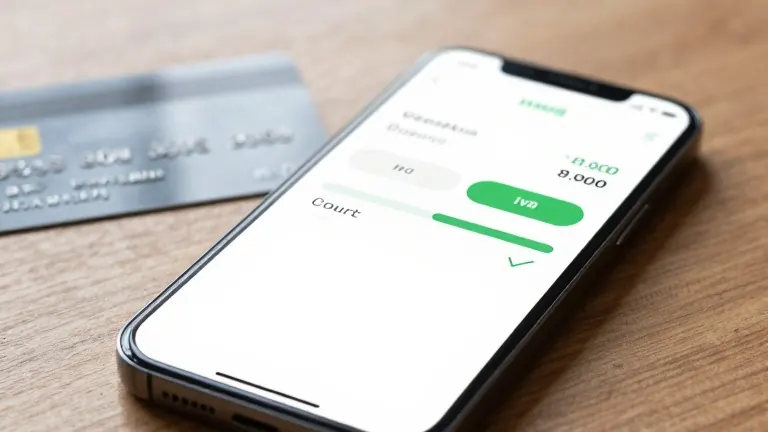
Digital banks and fintech platforms have streamlined the process of obtaining credit cards in 2026. Users can now complete applications for new cards in a matter of minutes through mobile apps. This shift removes the need for extensive paperwork or multiple visits to physical bank branches. Platforms such as Maya provide user-friendly interfaces that simplify account management. The barrier to entry for young adults seeking credit has lowered significantly due to these technological advancements.
The ease of access changes how consumers interact with debt. While credit cards serve as tools for building credit and handling emergencies, the simplified application process increases the risk of overspending. Mismanaging these accounts can lead to rapid debt accumulation and financial stress. Modern owners control their financial trajectory through digital interfaces, requiring them to adopt specific habits to maintain stability.
Financial experts advise treating cards as payment mechanisms rather than sources of extra income. Tracking every peso spent via banking apps helps identify areas for cuts, such as frequent food delivery orders. Users are encouraged to pause before making nonessential purchases. This budget-first approach ensures that spending aligns with monthly limits and prevents impulse buys.
Paying the full statement balance each month is a critical practice. Carrying a balance from month to month generates interest charges that can erode savings. Setting aside funds for the full balance and using reminders prevents missed due dates. This habit allows users to enjoy rewards like cashback or travel miles without incurring high-interest costs. It also strengthens credit scores over time.
Strategic use of credit cards helps build a reliable credit profile. Using cards for recurring bills like utilities establishes a consistent payment history for lenders. Keeping credit utilization below 30% of available credit signals financial responsibility. Opening multiple cards at once should be avoided, as the resulting credit inquiries can temporarily lower credit scores.
Security features in digital banking protect user data. Many cards now include NFC technology for tap-to-pay transactions. Virtual cards with dynamic CVV codes add a layer of protection for online purchases. Enabling transaction alerts allows users to detect suspicious activity immediately. Regular reviews of statements and credit reports help identify issues before they escalate.
Emergency funds remain essential alongside credit card usage. Cards can cover unexpected expenses, but they should not replace cash reserves. Maintaining a financial cushion reduces reliance on credit for urgent situations. Continuous learning through financial literacy resources helps users adapt to evolving credit norms. These practices ensure that credit cards remain effective tools for long-term financial security.
Source: River Journal
More Business · Watch Your Wallet · Report a business · Got a Story?