Wireless Sensors Target Apartment Water Damage Costs
New battery-powered systems allow property managers to detect leaks instantly, reducing the $15,400 average cost of water claims in wood-framed buildings.
By Michael Lombardi ·
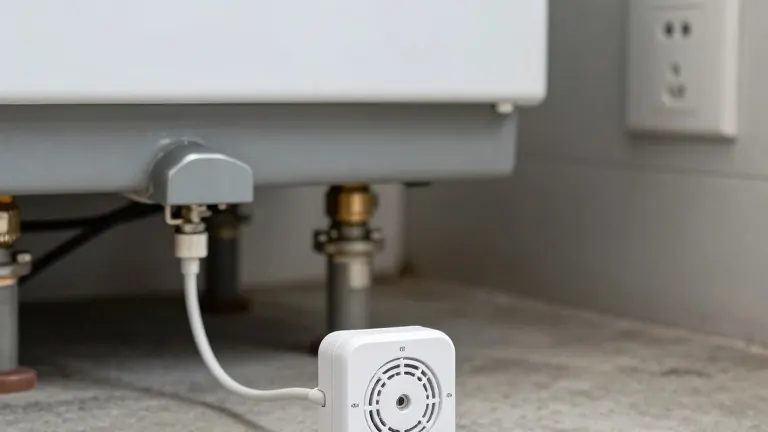
Property managers of apartment buildings face rising insurance premiums and frequent water damage claims, but new wireless technology aims to cut both costs by detecting leaks within minutes. The system uses small, battery-operated sensors to monitor water sources and automatically shut off supply lines, turning potential insurance claims into minor repairs. This approach addresses a critical gap in building maintenance, where delayed detection often leads to extensive structural damage in wood-framed properties.
Water damage remains the most common property claim in the sector. A 2023 survey by the National Multifamily Housing Council found that approximately 70 percent of 160 apartment firms identified water damage as their primary loss. The Insurance Information Institute reports the average water and freezing claim on homeowners policies is $15,400. When a leak spreads across multiple units, the cost increases significantly, particularly in buildings constructed with wood framing, which does not stop water from traveling down through ceilings and wall cavities.
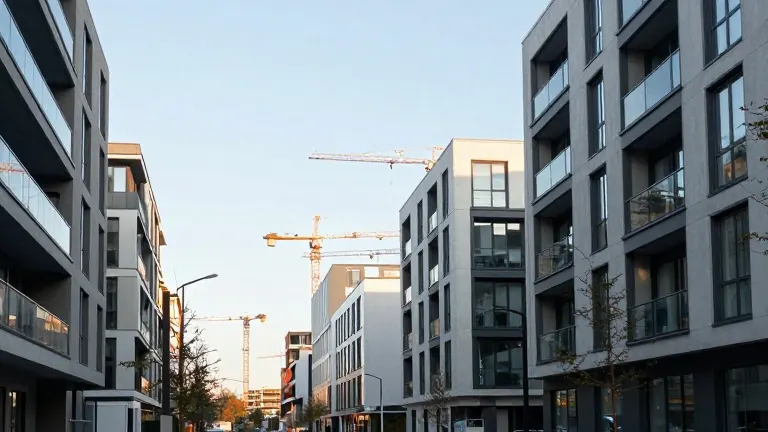
Construction methods contribute to the frequency of severe damage. According to the US Census Bureau, 84 percent of for-rent multifamily buildings completed in 2025 were wood-framed. In these structures, a burst pipe on an upper floor can cause water to run along joists, damaging drywall, flooring, and insulation in apartments several floors below. By the time a resident notices a stain, the damage has often already spread across three or four units, requiring extensive restoration.
Insurance costs have compounded the problem. Data from the National Apartment Association shows that property insurance per unit rose from $502 in 2021 to $777 in 2024, an increase of about 55 percent. Many policies now cap water damage coverage. The Environmental Protection Agency recommends drying wet materials within 24 to 48 hours to prevent mold, a timeframe that is difficult to meet without immediate detection. A leak found in minutes requires only a plumber; one discovered days later often necessitates a restoration contractor.
The installation process requires minimal disruption to residents. Sensors are mounted under water heaters, sinks, and washing machines using adhesive or screws. A gateway device, similar in size to a Wi-Fi router, connects the sensors to the internet via a standard outlet. No electrician or wall cutting is required, allowing maintenance staff to install the initial setup in approximately half a day. This ease of installation makes the system viable for older properties where pulling new cables would be cost-prohibitive.
The system routes alerts to specific personnel to ensure rapid response. A leak under a water heater notifies building maintenance, while an irrigation issue goes to the grounds crew. If the first recipient does not resolve the issue within a set time, such as 15 minutes, the alert escalates to a supervisor and then a property manager. This hierarchy helps small teams cover more buildings, a necessity as a 2023 Parks Associates survey found nearly a quarter of managers reported being understaffed.
Once installed, the network can expand to monitor other risks. Sensors can track temperature in vacant units to prevent frozen pipes, a major cause of claims during events like Winter Storm Uri in 2021. They can also detect smoke in empty apartments, where traditional alarms are less effective, and monitor utility meters to identify hidden leaks. This expanded monitoring helps owners manage the entire physical infrastructure of their properties from a single platform.
Source: Yonkers Times
More Business · Watch Your Wallet · Report a business · Got a Story?