Sweepstakes Gamblers Face Tradeoffs Between Cards and Crypto
Credit cards offer legal dispute mechanisms, while cryptocurrency provides transaction finality and reduced banking exposure for online casino players.
By Benjamin Rousseau ·
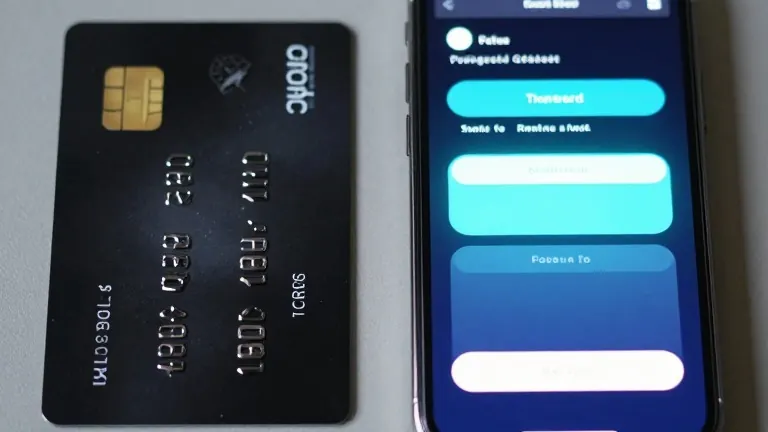
Roughly half of sweepstakes casinos now accept cryptocurrencies, creating a distinct divide in how players fund their accounts and redeem prizes. This split forces a choice between two payment methods that offer opposing levels of protection against different types of financial risk. Neither option is universally safer, as each leaves users vulnerable in areas where the other provides cover. The decision hinges on specific concerns, such as delayed payouts or potential legal shifts in the industry.
Credit cards provide the most robust legal footing for consumers. Under the Fair Credit Billing Act, cardholders generally have 60 days from the statement date to dispute certain charges. Liability for unauthorized use is capped at $50, a limit supported by guidance from the Federal Trade Commission. However, these protections apply strictly to credit cards, not debit cards. The dispute window is short, and success often depends on the nature of the error. A stolen card yields a strong case, while a regretted purchase of virtual coins rarely results in a successful chargeback.
The card system also exposes players to regulatory intervention. Financial institutions and payment processors can block transactions in states where sweepstakes games are restricted. California law, specifically AB 831, took effect on January 1, 2026. This statute makes it unlawful for banks to knowingly support online sweepstakes games in the state. Players using cards in California may face blocked payments if they are unaware of this legal change, creating a friction point that cryptocurrency users avoid.
Cryptocurrency offers finality and distance from traditional banking. When players use digital assets, their card numbers do not reach the casino, reducing exposure during data breaches. Transactions are generally irreversible, a characteristic the FTC notes makes tracing funds difficult. If a user sends money to the wrong address or selects the incorrect blockchain, recovery depends on the recipient voluntarily returning the funds. There is no central issuer to contact for a dispute, making careful verification of deposit addresses essential to avoid permanent loss.
Using crypto also introduces tax complexities. The Internal Revenue Service treats cryptocurrency as property. Spending digital assets on goods or services can trigger a capital gain or loss event. This requires players to track the value of their assets at the time of acquisition and the time of use. A card payment does not create this specific record-keeping burden, though both methods require users to understand the terms of service they accept.
Neither payment method shields players from a casino's legal troubles. In August 2025, the Los Angeles City Attorney and Susman Godfrey sued Stake.us, a crypto-based sweepstakes casino, alleging that Californians lost money on the platform. Stake.us disputes these claims and argues that courts have generally supported the sweepstakes model. The case illustrates that a player's payment method does not dictate the outcome of a site's broader legal battles.
Arbitration clauses in user agreements can further limit legal recourse. In one federal case, a judge sent a player's claims to arbitration because the user had accepted the site's terms without opting out. This procedural step can narrow the avenues for recovering funds before a lawsuit begins. Players must review redemption rules and dispute terms regardless of their preferred deposit method.
Source: River Journal
More Business · Watch Your Wallet · Report a business · Got a Story?