Iran: Hardliners Push for Nuclear Exit
The Paydari Front has formally requested that Iran leave the NPT, a move critics say signals a shift toward rapid weapon development.
By Michael Lombardi ·
The Paydari Front, a hardline political faction in Iran, has formally asked the parliament and the Supreme National Security Council to begin the process of withdrawing from the Nuclear Non-Proliferation Treaty. The group stated that if Iran pursues nuclear weapons, the effort should proceed as quickly as possible. This request serves as a direct challenge to President Masoud Pezeshkian and his moderate allies, who favor diplomatic solutions to the ongoing conflict with the United States.
The political pressure builds against the backdrop of a war that began on February 28. At that time, the US and Israel launched military strikes on Iran, citing Tehran's nuclear ambitions as the primary justification. The conflict has resulted in the near closure of the Strait of Hormuz to shipping and caused extensive damage to infrastructure across Iran and the Arab region. These events have severely disrupted global energy supplies for the past eight months.
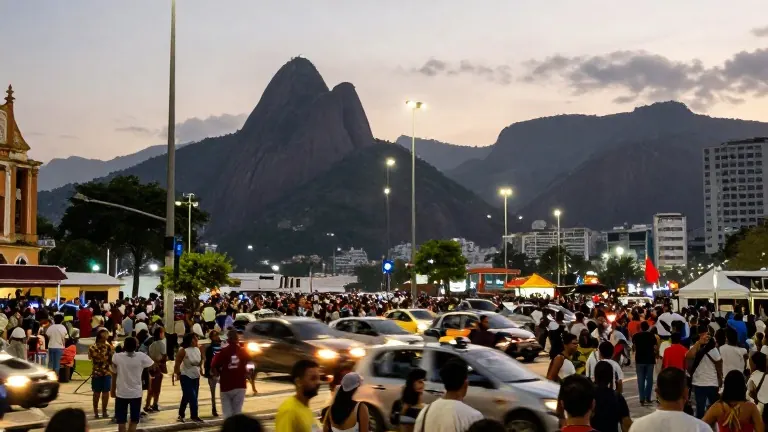
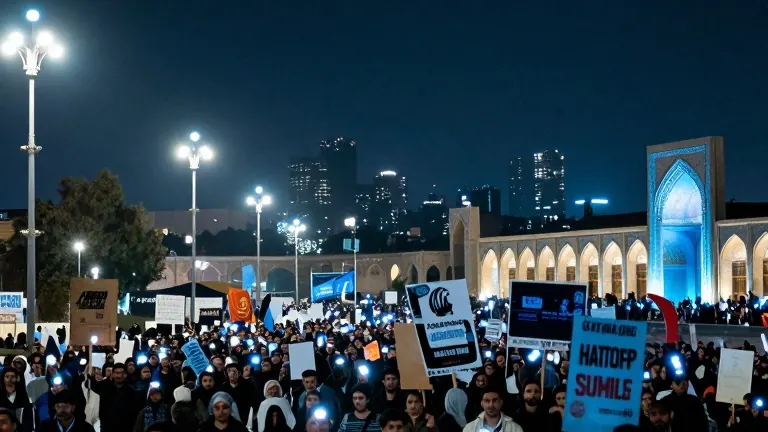
A deep domestic divide has emerged over how to handle the war. The moderate camp, led by Pezeshkian, argues that a swift end to the conflict is necessary to save the Iranian economy. In contrast, the Paydari Front believes Washington only responds to force. They argue the war should continue until the US capitulates to Iranian demands. This rivalry is visible in major cities, where hardline supporters have held nightly rallies for 200 days. These gatherings have evolved from initial protests against the US invasion into organized political demonstrations against diplomatic efforts.
The hardliners have used these platforms to voice opposition to Pezeshkian's diplomatic stance. During his return to Tehran in September following the UN General Assembly, protesters picketed his arrival. They criticized his praise for diplomacy alongside his condemnation of the US war. The group's slogans, such as 'Negotiating with the enemy is a betrayal of the homeland,' reflect their firm stance against compromise.
The faction holds significant power within Tehran's municipal government, the parliament, religious institutions, and media. Amirhossein Sabeti, a member of parliament aligned with the Paydari Front, stated that negotiations with the US are impossible until Washington ends its siege of southern ports and lifts sanctions. He argued that the US objective of destroying Iran has not changed and that the world understands only the language of power. Sabeti claimed that those who believed negotiations could prevent war were deluding themselves.
The Paydari Front has also filed a motion to impeach Foreign Minister Abbas Araghchi. The move follows his visit to New York for the UN General Assembly. Additionally, the parliament is considering a law to criminalize interviews with foreign media outlets. These legislative efforts aim to tighten control over diplomatic communication and media access.
While the hardliners push for an aggressive stance, Davood Heshmati, a journalist close to the president, suggests the US may have scaled back its goals. He noted that US forces appear to have abandoned the ambition of overthrowing the Iranian government in favor of more modest aims. Heshmati argued that all alternatives to military action, including negotiations, must be tested before resorting to war. He contended that keeping the Strait of Hormuz closed implies the anti-negotiation camp wants the war to have no end.
Political analyst Negar Mortazavi observes that while hardliners are a powerful and organized force, they do not hold ultimate decision-making authority. She noted that decisions on war and peace are made at the highest levels of leadership, including by Supreme Leader Mujtaba Khamenei. Mortazavi pointed out that the hardliners previously failed to stop the JCPOA under Obama or the recent memorandum of understanding with Trump. The delay in scheduling Araghchi's impeachment hearing and continued diplomatic engagement suggest that moderates remain a influential force in Iranian politics.
Source: Al Jazeera