Qatar Drafts Five-Year Plan to Reduce Dependence on US Military
The strategy targets 2031 for autonomous defense capabilities, focusing on integrated air defense and diversified alliances.
By Michael Lombardi ·
Qatar faces a security dilemma: it wants to protect its vital interests without relying entirely on external guarantees. The country aims to build a national defense capability that functions even if the United States provides only limited assistance. The goal is defense autonomy, which means maintaining open partnerships while ensuring security does not depend on another state's decisions.
Developments in the Gulf earlier this year raised questions about regional security. Qatar, a small state with valuable infrastructure and a heavy dependence on energy exports, currently relies heavily on US forces for protection. Collective capabilities within the Gulf Cooperation Council do not currently provide sufficient assurance that member states would be willing to take risks in another member's defense.
The proposed strategy focuses on six pillars over the next five years. These include air and missile defense, early warning capabilities, protection of critical infrastructure, air and naval power, cybersecurity, and a shift toward multiple security guarantees. The objective is not to build an army capable of confronting a major regional power alone, but to withstand attacks and maintain continuity.
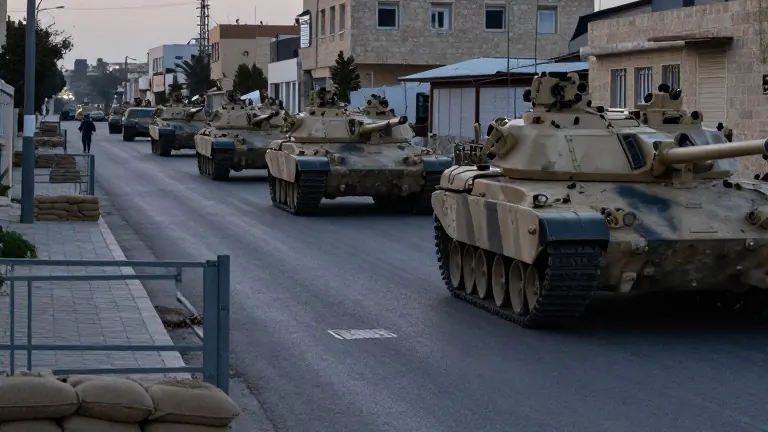
A priority is building an integrated air defense shield. By 2031, the system should function without US support. This requires a multilayered radar network, a unified command center, and expanded counter-drone capabilities. The plan also calls for low-cost interception systems and mobile protection for radar installations.
The air force must gain independence through better logistics and maintenance. Qatar needs to increase ammunition stockpiles and develop domestic defense manufacturing. The goal is to sustain operations for several weeks if external supply lines are disrupted. The navy will focus on protecting maritime routes and offshore installations to make attacks on energy infrastructure costly.
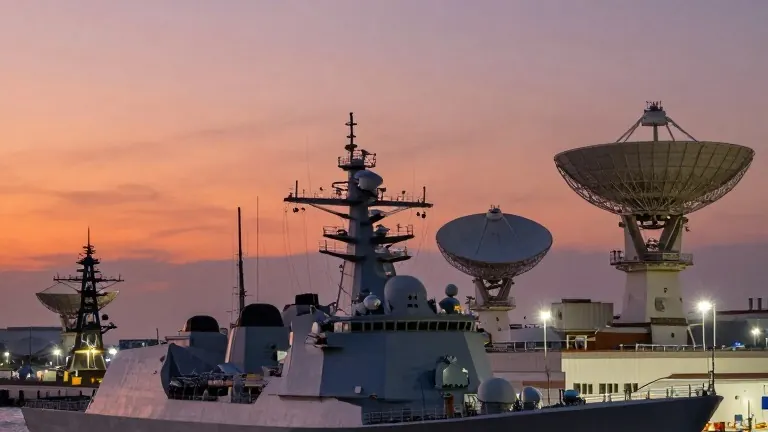
The plan includes a national resilience program to protect critical infrastructure such as desalination plants and power stations. Every sector must have backup capacity to prevent local failures from becoming national crises. Qatar also seeks to build its own intelligence capabilities, including space-based reconnaissance and AI-driven data analysis, to detect threats before they reach its territory.
Finally, the strategy calls for diversifying security guarantees. Qatar may pursue partnerships with South Korea, Turkiye, European powers, Pakistan, and China in specific fields. This diversification aims to reduce risks associated with dependence on a single ally while maintaining cooperation with the United States.
Source: Al Jazeera