Small Firms Turn to GPS Trackers to Stop Personal Use of Company Vehicles
Managers in small businesses are replacing manual check-ins with automated location data to verify vehicle usage and reduce operational costs.
By Amira Patel ·
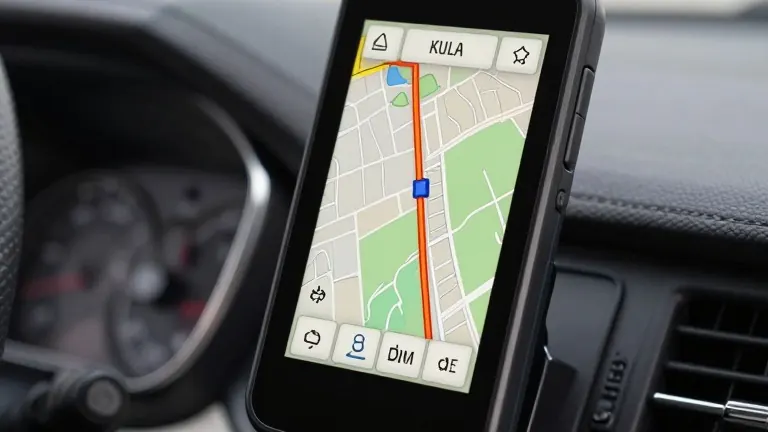
Small business owners are increasingly deploying automated vehicle tracking systems to curb the unauthorized personal use of company fleets. This shift moves fleet management away from periodic manual checks and toward continuous, data-driven oversight of company assets.
The SBA reports that vehicle-related operational expenses are a major cost category for small service businesses. Unauthorized use of these vehicles contributes to inflated costs, particularly in fleets that lack formal monitoring systems. Common instances include vans parked at employees' homes on weekends and service trucks accumulating miles outside of work hours.
Traditional management methods, such as scheduled check-in calls and manual review of fuel receipts, often fail to detect these patterns. Drivers can alter their behavior around known inspection times, leaving gaps in accountability. Additionally, these manual processes create friction between management and staff while providing incomplete records of vehicle location and usage.
GPS trackers address these gaps by recording a vehicle's position continuously, including during nights and weekends. These systems feature geofencing alerts that notify managers when a vehicle leaves a designated area or operates outside of scheduled hours. For example, a van moving at 11 p.m. on a Tuesday triggers an automatic alert without requiring human intervention to initiate the check.
The presence of this automated surveillance acts as a deterrent by making the probability of detection high. Employees who know their movements are recorded are less likely to use company vehicles for personal errands. This change in dynamic reduces the need for adversarial management practices and establishes clear boundaries for vehicle use.
Effective implementation requires a documented policy that is communicated to all drivers. The FMCSA provides guidelines for establishing these policies to ensure they hold up in employment and insurance contexts. A clear, acknowledged policy helps businesses address violations consistently and protects the firm if disputes arise regarding vehicle usage.
The tracking data also serves a protective function for drivers. In the event of an off-hours accident, a GPS record can clarify who was operating the vehicle and whether the use was authorized, which is critical for insurance claims and liability determinations. Conversely, the same data can exonerate a driver who is falsely accused of misuse if the record shows the vehicle was parked during the alleged time.
Source: Yonkers Times
More Business · Watch Your Wallet · Report a business · Got a Story?