Spain's Traditional Set Lunch Grapples With Modern Pressures
Despite a recent book arguing the format is not extinct, economic and cultural shifts continue to challenge the longevity of the daily set meal.
By Benjamin Rousseau ·
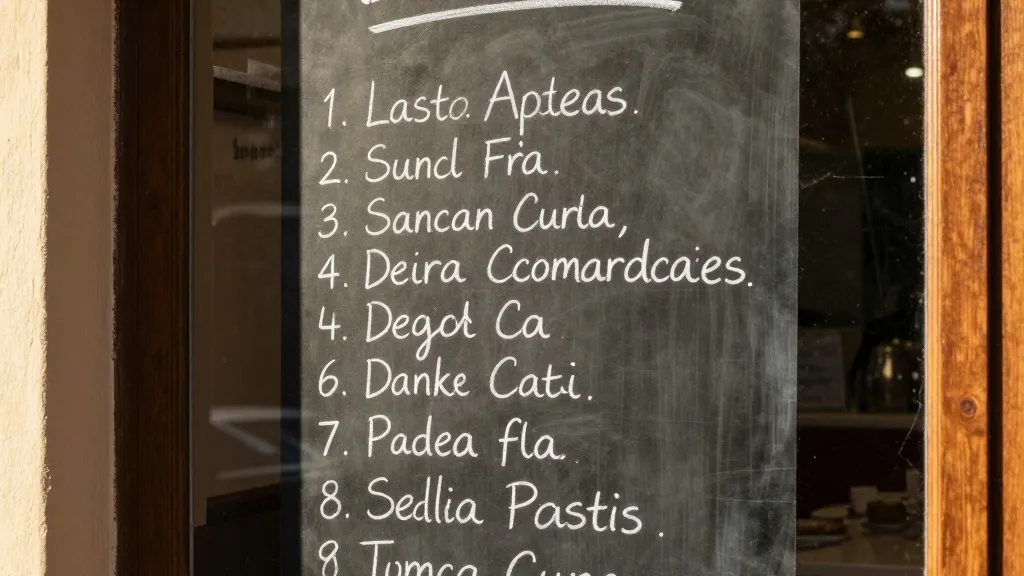
The midday meal in Spain has long been a cultural anchor, yet it currently occupies a fragile position within the country's evolving food landscape. While the format remains widespread, recent observations suggest it is facing significant headwinds from economic realities and changing consumer habits. This tradition, which has persisted for decades, is now the subject of renewed scrutiny regarding its future viability.
The origins of this dining practice are rooted in mid-twentieth century tourism strategy. In the mid-1960s, Manuel Fraga, who served as the minister for information and tourism under Francisco Franco's regime, introduced the concept. The primary goal was to demonstrate to foreign visitors that Spain offered abundant, high-quality, and affordable food following the post-civil war scarcity. Regulations at the time mandated specific components, including a soup starter, a main course with multiple options, and a dessert, all accompanied by a specified volume of wine.
To ensure consistency and value, the government fixed the price range between 50 and 250 pesetas. The law also stipulated quality standards for the included wine, requiring it to be pure and have a minimum alcohol content of 12%. By the early 1970s, the term was updated to make the offer appealing to domestic residents rather than appearing exclusively as a tourist amenity. This shift helped integrate the meal into the daily routine of ordinary Spaniards.
Today, the menu is so ubiquitous that many locals are unaware of its bureaucratic origins. Lakshmi Aguirre, a food journalist, noted that many people were surprised to learn about the role of the Franco-era minister. She described the reaction as a sign of how quickly historical context can fade from public memory. Her recent work examines this tradition, arguing that while it is in trouble, it has not yet disappeared.
The current average cost for this meal stands at 14.70 euros. This price point is under pressure from rising energy and food costs, which make it difficult for small, family-owned restaurants to maintain rotating daily selections. Some establishments have simplified their offerings to a single daily dish, while others have incorporated Latin American foods to reflect the changing demographics of their customer base. Aguirre views this adaptation as a natural evolution, consistent with the menu's historical role as a mirror of society.
Consumer behavior is also shifting. Time-poor workers often opt for quicker alternatives, such as bringing food from home or heating up pre-prepared supermarket items. This trend, combined with the rise of bistro-style dining, has contributed to a gradual decline in the traditional set lunch. Despite these challenges, approximately four million of these meals are still served on typical weekdays across the country.
Aguirre suggests that the value of the menu extends beyond its affordability. It serves as a social gathering point for families with limited budgets and for individuals living alone who seek company. She emphasizes that the privilege of the format lies not only in the ability to pay for a meal but also in having the time to enjoy it. This social function is seen as a key element that is being eroded as the tradition fades.
The path forward for the set lunch remains uncertain. While it has survived various economic downturns and cultural shifts, the current combination of rising costs and changing lifestyles presents a new set of challenges. The format's future will likely depend on its ability to adapt to modern expectations while retaining the core elements that have made it a staple of Spanish daily life for over half a century.
Source: The Guardian