Tesla Sets 2027 Target for Optimus, Citing Hand Durability as Key Hurdle
The automaker has pushed its first external robot deliveries to the end of next year, acknowledging that the mechanical complexity of the robot's fingers remains a significant engineering challenge.
By Amira Patel ·
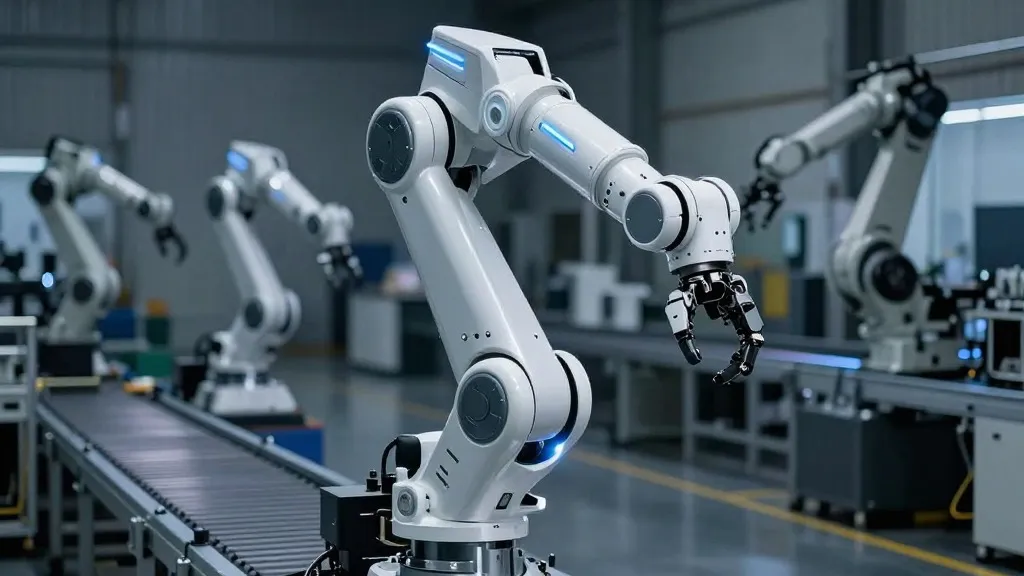
Humanoid robotics remains one of the most anticipated yet elusive frontiers in technology, with major automotive and tech players racing to create machines that can perform general-purpose labor. Tesla has officially updated its roadmap for this effort, providing a clearer, though still distant, timeline for when its Optimus robots will leave the factory floor for outside customers.
During the company's Q3 2026 earnings call, CEO Elon Musk stated that initial deliveries of the Optimus robot to external clients are now expected around the end of 2027. This marks a shift from previous internal goals, which aimed for earlier deployment. The delay is attributed to persistent challenges in three specific areas: the robot's artificial intelligence, its overall durability, and the mechanical design of its hands.
Tesla has already begun early production of the Optimus on its high-volume assembly line in Fremont, California, a facility previously dedicated to building Model S and Model X vehicles. While much of the infrastructure required to manufacture a million robots per year is installed, Musk noted that reaching a production rate of approximately 20,000 units per week will take at least another year, potentially longer. This extended timeline is necessary because parts of the robot’s design are still undergoing changes to ensure reliability.
The most significant technical hurdle identified by the company is the robot’s hands. Tesla engineers explained that the fingers must be soft enough to handle delicate objects without damaging them, yet durable enough to withstand constant wear and tear. Unlike human skin, which can heal, the robotic components cannot self-repair, making the electromechanical design a critical focus. Custom gears within the hand mechanism also present ongoing reliability concerns that must be resolved before mass production can accelerate.
On the software side, Tesla faces a different challenge: a lack of data. Unlike its cars, which collect vast amounts of driving data for its Full Self-Driving system, Tesla does not have a large fleet of robots operating in the real world to train its AI. To bridge this gap, the company plans to build between 10,000 and 20,000 robots to practice tasks in an internal program called the Optimus Academy. Additionally, Tesla intends to integrate its AI5 chip into the robots around April 2027 to improve processing capabilities.
Despite these internal hurdles, Musk maintained that no other company is close to Tesla in developing a general-purpose humanoid robot. However, competitors are making notable strides. XPeng recently activated an automated production line for its IRON robot in Guangzhou, with over 80% of core processes automated. XPeng aims for mass production by late 2026 and deliveries in the first half of 2027, a timeline comparable to or slightly ahead of Tesla’s.
Hyundai’s subsidiary, Boston Dynamics, has also made significant progress with its electric Atlas robot. Production of the Atlas began in January, and all 2026 deployments are already committed to clients, including Google DeepMind. Boston Dynamics has opened a training center in Georgia where the robot is learning to sequence car parts. The company has taken a pragmatic approach to the hand problem by prioritizing sturdy grippers for industrial use over human-like dexterity, effectively bypassing the specific issue Tesla is struggling to solve.
The stakes for these companies are high, as they aim to enter a market of dangerous, repetitive, and around-the-clock industrial jobs. While Tesla may have built the most robots to date, the ultimate goal is not just manufacturing volume, but creating machines that are useful and reliable enough to pay for themselves. As timelines have slipped in previous years, the late-2027 target will be closely watched by investors and industry analysts to see if the generalization of AI and mechanical reliability can finally be achieved.
Tesla has promised to release a video within the next one to two months showing the Optimus performing tasks that are not pre-programmed. This demonstration will be a key indicator of the robot’s true capabilities, moving beyond scripted routines to real-world application. If the video shows genuine, unscripted work, it could validate the company’s progress; otherwise, it may further fuel skepticism about the shifting timelines for the humanoid era.
Source: Electrek · original report published