Tesla Q3: Margins Rise, Profit Slides
Third-quarter auto margins recovered, but heavy AI spending and energy refunds kept operating income down sharply year-over-year.
By Benjamin Rousseau ·
The recovery in Tesla’s profit margins did not survive the cost of its aggressive expansion plans. Following the close of trading on October 21, the electric vehicle maker reported that while its bottom line improved compared to the previous quarter, the long-term decline in earnings per share continued.
Tesla delivered $28.05 billion in revenue, matching Wall Street’s consensus expectations. Non-GAAP earnings came in at $0.48 per share, a figure that beat the $0.45 average estimate but remained 4% lower than the $0.50 recorded in the same quarter last year. On a GAAP basis, net income fell 43% to $787 million. Operating income dropped 56% to $718 million, resulting in an operating margin of 2.6%, down from 5.8% a year prior.
The squeeze on profits was driven by a sharp increase in operating expenses, which rose 39% to $4.78 billion. Research and development spending jumped 69% to $2.76 billion as the company pours capital into its "Super Intelligence" division, the Optimus robot, and the Cybercab. Stock-based compensation also surged to $1.17 billion. This spending spree meant that capital expenditures more than doubled to $4.73 billion, though the company still ended the period with $45.4 billion in cash and investments.
Automotive gross margin, excluding regulatory credits, climbed to 18.1%, up from 16.3% in the second quarter. The company attributes this improvement to a better product mix and increased Full Self-Driving subscription revenue, though average selling prices continued to fall. Regulatory credits contributed just $113 million to the total, a 73% decline from the previous year as the federal penalty market dried up.
The energy segment presented a mixed picture. Revenue fell 16% to $2.88 billion, partly due to tariff-related customer refunds, even as energy storage deployments rose 10% to 13.7 GWh. Conversely, the services and other division saw a 33% revenue increase to $4.61 billion, with gross profit hitting a record high on charging and insurance sales.
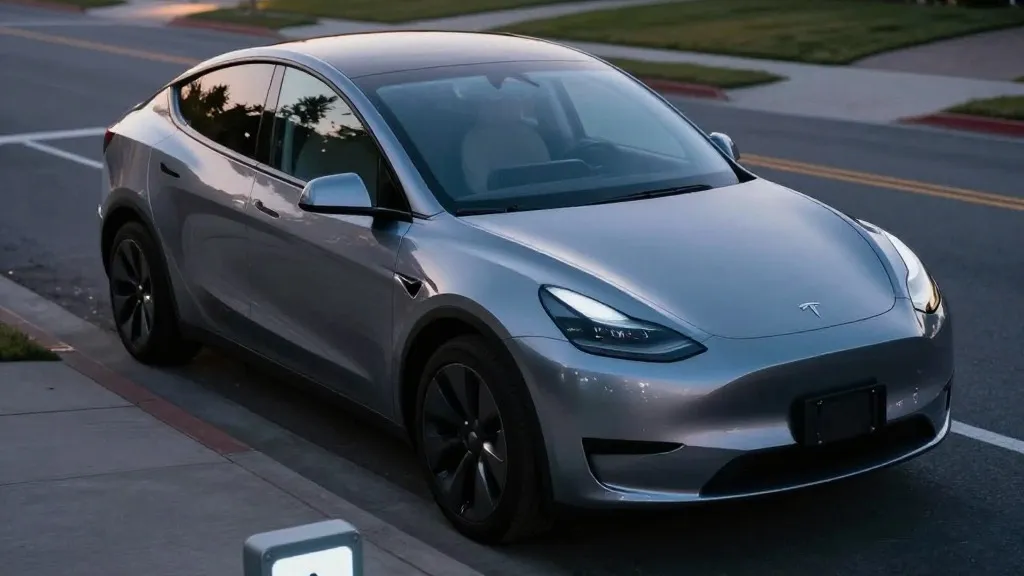
Management cited battery availability as the primary constraint on vehicle volumes, claiming the company ended the quarter with its largest passenger vehicle backlog in four years. Despite this, deliveries dropped 2.1% year-over-year, and Tesla sold 22,141 more vehicles than it produced, reducing inventory to 11 days of supply. Active Full Self-Driving subscriptions reached 1.74 million, a 67% increase, while the Robotaxi service accumulated nearly 2 million unsupervised miles.
The spending trajectory raises questions about the company’s annual targets. With $13.01 billion in capital spending recorded in the first nine months, Tesla faces a steep climb to meet its guidance of over $25 billion for the full year. The third-quarter report did not update this outlook, leaving investors to wonder if the fourth quarter will require an unprecedented surge in spending.
Source: Electrek · original report published
More Business · Watch Your Wallet · Report a business · Got a Story?