10,000 Robots Form New Tesla Training Ground
Tesla is deploying a large internal fleet of Optimus units to generate the data needed for autonomous operation.
By Benjamin Rousseau ·
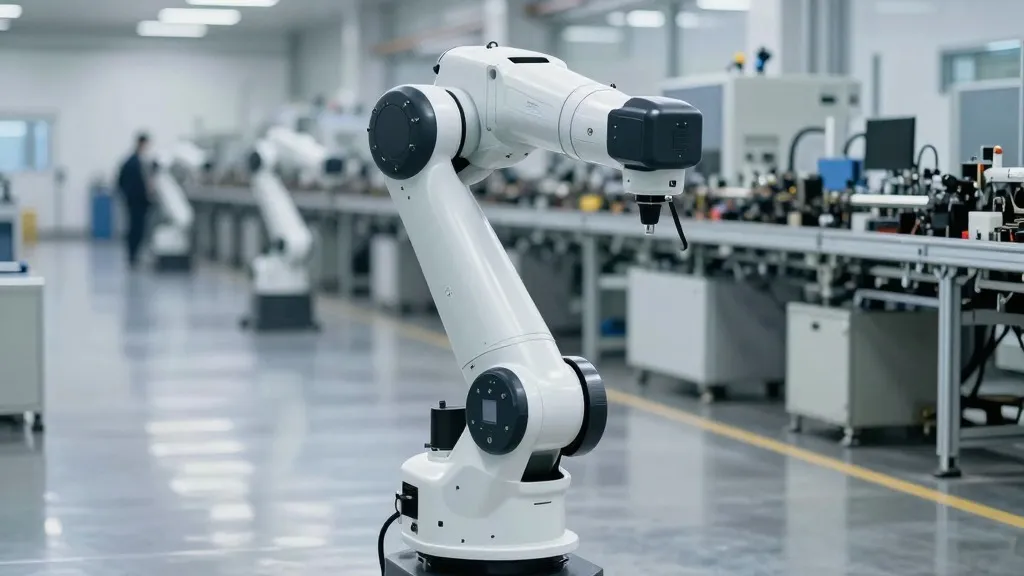
For New York and New Jersey residents who work in logistics or manufacturing, the landscape of labor automation is shifting as Tesla begins mass-producing its humanoid robot. The company has confirmed that the first units coming off the high-volume line in Fremont, California, meet the standards required for a commercial product. This marks a transition from prototype testing to actual manufacturing, with the goal of eventually delivering these machines to outside businesses for tasks that are dangerous or repetitive.
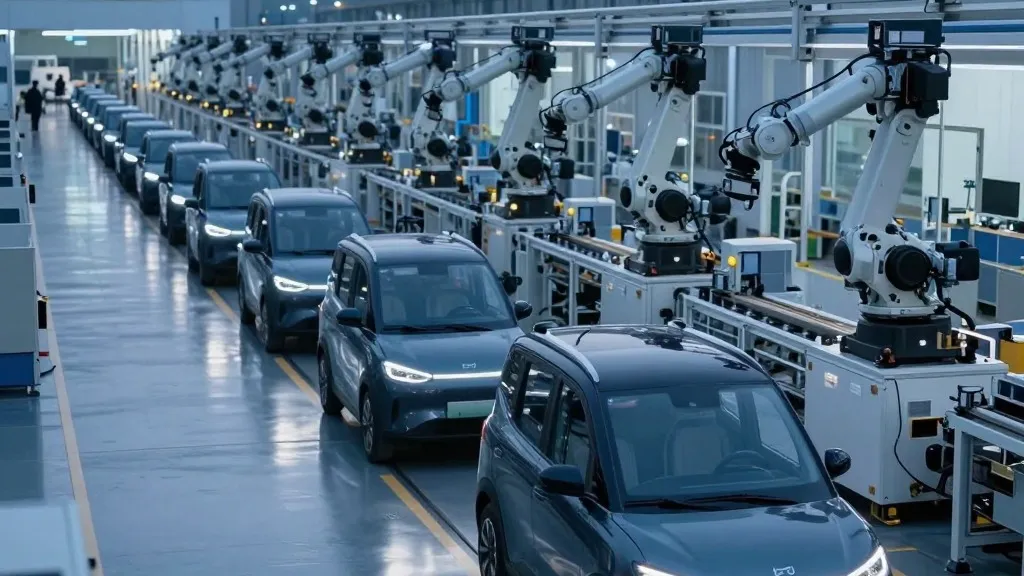
The infrastructure for this shift is already in place. Tesla converted the space previously used for Model S and Model X production in just 46 days this spring. The new line is sized to handle one million units per year, and Elon Musk stated on the recent earnings call that most of the necessary equipment is already installed. He expects output to rise toward 20,000 robots per week as the process matures. Musk described this growth trajectory as an S curve, noting that the initial increase will be gradual before accelerating.
The primary challenge for Tesla is not hardware production, but software training. Unlike the company’s cars, which collect data from millions of vehicles on the road, Optimus lacks a large external fleet to learn from. To solve this, Tesla is establishing an Optimus Academy. This internal system will use between 10,000 and 20,000 robots to practice various tasks. Every unit produced will feed its performance data back into the AI model, allowing the system to improve iteratively without waiting for widespread customer adoption.
Hardware upgrades are also scheduled for the coming year. Tesla plans to integrate its AI5 chip into the robots to enhance processing capabilities. Musk indicated that a new demonstration video should be released within one or two months. This video will show the robot completing tasks driven by artificial intelligence rather than preprogrammed movements. He contrasted this approach with rival humanoid demos that rely on scripted routines, arguing that those methods will not hold up in real-world conditions.
The supply chain is preparing for the increased demand. In September, Tesla certified three partners, Tuopu, Joyson, and Sanhua, for mass production of Optimus components. Additionally, a larger dedicated factory is under construction at Giga Texas. Drone footage shows the steel frame nearing completion, and Tesla has set a long-term target of producing 10 million robots annually at that site. Executives noted that production costs are trending toward the expected manufacturing cost of the Cybercab, indicating the design is optimized for volume.
Despite the progress, significant engineering hurdles remain. The hands of the robot are considered the most difficult component to design and manufacture. This area is currently the focus of much of the team’s effort. The company aims to finish refining the AI, electromechanical design, and reliability by the end of next year. Once complete, Tesla plans to begin delivering Optimus to external companies that require around-the-clock labor for specific industrial jobs.
This development suggests a rapid scaling of robotic labor in the coming years. The combination of high-volume manufacturing in Fremont and the data-rich environment of the Optimus Academy positions Tesla to refine its product quickly. For industries in the Northeast corridor, the entry of production-quality robots into the market could soon reshape how routine and hazardous tasks are handled.
Source: Teslarati · original report published