Apple Raises Production Targets for iPhone Duo Amid Surging Demand
The technology giant has increased its manufacturing quota for the new folding smartphone by over forty percent to meet unexpected consumer interest.
By Amira Patel ·
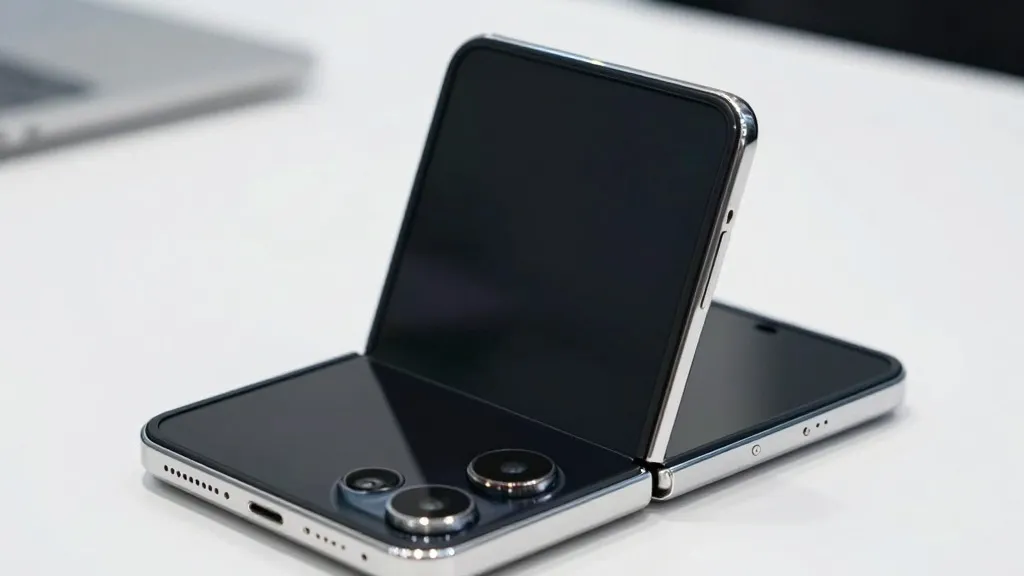
The launch of Apple’s first folding smartphone has been marked by immediate logistical challenges that have forced the company to adjust its manufacturing strategy. Supply chain analysts indicate that Apple has significantly increased its order volume for the iPhone Duo to address the high level of consumer interest observed since pre-orders began.
According to reports from DigiTimes, which cites information from supply chain sources, Apple has raised its shipment targets for the device. The initial forecast stood at 9.7 million units over the first twelve months of sales. The revised figure now stands at 14 million units, representing an increase of more than 40 percent. This adjustment reflects the company’s expectation that strong demand will persist throughout the initial sales period.
Pre-orders for the iPhone Duo opened on Friday of this week. Almost immediately, customers reported that the estimated delivery dates shown during the checkout process were being extended. Some buyers found their expected arrival times pushed into late January. Apple attributed these delays to what the company termed extraordinary demand for the new hardware. However, observers noted that this specific phrase is frequently used by Apple during the launch of new iPhone models, which added a layer of skepticism to the initial explanation.
In an effort to manage distribution and prevent reselling, Apple implemented a purchase limit for the new device. Customers were restricted to ordering a maximum of two units each. This measure was designed to tackle scalping and ensure that individual consumers could secure a device despite the high volume of requests. As the initial rush settled, some early customers subsequently received updated notifications indicating earlier estimated shipping dates than those originally provided.
The rapid adjustment of shipping estimates aligns with the reported ramp-up in production. The increase in manufacturing targets suggests that Apple is scaling up assembly lines to meet the projected sales volume. The shift from a 9.7 million unit forecast to a 14 million unit target indicates a substantial commitment to resources and logistics to support the new product line. This move underscores the confidence the company has in the market reception of its first folding form factor.
For those who have already received their devices, the early experience has been shaped by software integration challenges. Third-party applications are not yet fully optimized for the new hardware, which has been a primary point of feedback for initial users. Apple has stated that the situation is improving rapidly as developers adapt their software to accommodate the device’s unique specifications. The company is working closely with the developer community to address these compatibility issues.
Initial reviews based on a week of usage have presented a consistent assessment of the device’s performance. App support emerged as one of the five key takeaways in these early evaluations. Reviewers noted that while the core functionality of the phone is robust, the ecosystem of compatible applications is still in a state of transition. Users are being advised to expect some growing pains as the software library expands to support the folding mechanism.
Another significant design decision that drew attention in early reviews was the inclusion of Touch ID instead of Face ID. The move was viewed by some as a downgrade in biometric security and convenience compared to previous flagship models. However, recent reports suggest that Apple is already addressing this in the next iteration of the product. Engineers are reportedly testing prototypes of the iPhone Duo 2 that incorporate Face ID technology, signaling a potential return to the facial recognition standard for future folding models.
The stakes for Apple in this launch are considerable, as the iPhone Duo represents a significant departure from the traditional smartphone form factor. The company’s ability to scale production quickly and mitigate early software issues will be critical to maintaining consumer confidence. The increase in shipment targets demonstrates a proactive approach to meeting demand, but the long-term success of the device will depend on sustained software optimization and the resolution of hardware design questions.
Source: 9to5Mac · original report published