Christa Pike details physical toll after surviving Tennessee lethal injection
The 50-year-old inmate reports constant pain and isolation in a hospital bed, while a former federal prosecutor begins an independent review of the botched procedure.
By Amira Patel ·
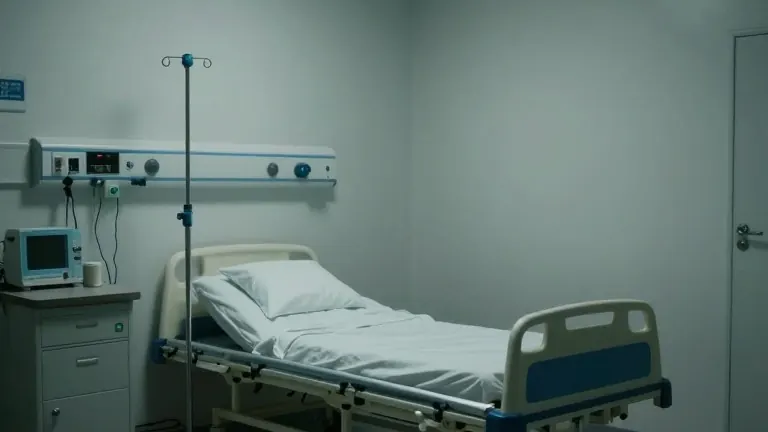
Tennessee’s failed lethal injection of Christa Pike in September has left the 50-year-old inmate in a state of continuous physical distress, according to her first public statement released Friday. Pike, who survived the execution by a narrow margin, says she has been largely isolated in a prison hospital since the event.
In a statement dictated to her legal team, Pike described her condition in stark terms. "There hasn’t been a moment since that night when I haven’t been in pain. My body hurts. My arms hurt. My hands hurt. My throat hurts. I still struggle to speak," she said. She added that the suffering extends beyond the physical, noting, "And the pain isn’t just physical. There is pain in my mind and in my soul."
The incident began in 1995 when Pike and her boyfriend killed a 19-year-old classmate, Colleen Slemmer. Pike was 18 at the time. Her execution was scheduled for last month but was interrupted after two doses of pentobarbital appeared to pool in her arms rather than enter her bloodstream correctly. Her attorneys said the medication likely did not reach her heart, leaving her burned and blistered. She was placed on a ventilator for several days, with her lawyers at one point expressing doubt about her survival.
Pike remains on death row, but her attorneys are petitioning Republican Gov. Bill Lee to commute her sentence to life in prison. Lee told reporters this week that he expects her sentence to remain unchanged unless a court rules otherwise. "I suspect her sentence will be the same as before unless determined otherwise by the courts," the governor said. Pike said she is "searching for meaning in what happened to me" and does not know what comes next.
The state has appointed a former U.S. attorney to conduct an independent review of the failed execution. This review follows a 2025 deposition by prison Warden Kenneth Nelson, which was released with court documents this week. Nelson stated that the execution team no longer practices inserting IV lines during training sessions, a directive from the prison commissioner. He said he did not know why the practice was discontinued. Practicing IV insertion was part of Tennessee’s prior protocol but is not included in the current one.
Frank Strada, the commissioner of the Tennessee Department of Correction, announced his resignation following the incident. His final day is October 31. Dorinda Carter, a spokesperson for the department, said she could not comment on the specific filing due to pending litigation.
The execution team had previously warned that Pike’s small veins and a diagnosis of thrombocytosis, a blood-clotting disorder, could make IV access difficult. During the procedure, which began just before 7:30 p.m., her attorney Randy Spivey noted that the team struggled to get working IV lines and expressed concern that a vein might be "blowing." Pike remained awake for much of the process, stating her arm hurt and burned before she lost consciousness. An ambulance arrived at the prison approximately one hour and 45 minutes later.
Source: The Aegis