Midterm Outlook: Trump's Approval Plunge Shapes Tuesday's Election
Polls show the president's support has dropped to 37%, a level historically associated with major losses for the party in power.
By Michael Lombardi ·
President Trump faces a challenging environment in the midterm elections taking place this Tuesday. Recent polling data indicates that his average approval rating has fallen to 37 percent. This figure is down from a 52 percent average recorded early in 2025. Historically, when a president's approval rating dips below the 40 percent threshold, their party suffers severe defeats in congressional races.
The political pendulum appears to be swinging against the incumbent party. This pattern has occurred in nearly every midterm election over the last century. While Republicans are expected to lose their slim majority in the House, the Senate remains a tight race. Vice President Vance holds the tie-breaking vote, which could allow the Republican party to maintain control if the numbers are close.
Campaign strategy reflects these predictions. During the final weekend before the election, Trump traveled to Iowa and Kansas to support Senate candidates. These are states where Republicans traditionally hold strong ground. Trump won 31 Iowa counties that had voted for Barack Obama in 2008 and 2012. Kansas has not elected a Democrat to the Senate since 1932. He conducted remote tele-rallies in 19 other states. This focus on specific battlegrounds suggests an effort to limit losses in a difficult electoral landscape.
Critics argue that voters are unhappy with the economic and foreign policy results of the current administration. Inflation remains elevated, and gas prices have surged. Democrats have highlighted unfulfilled promises regarding peace in Ukraine and the Middle East. A simple slogan, 'No Kings,' has become a central theme at anti-Trump rallies. This messaging contrasts the president's personalized approach to power with traditional executive norms.
Democrats face their own internal challenges as they prepare for a potential return to power. If they win the House, the majority is expected to be modest. Senate victories, if they occur, will likely be narrow. This structure favors independent members over party leadership. Political analyst Ruy Teixeira has outlined questions for the Democratic party. He asks whether the party will prioritize working-class economic interests over other social policy goals.
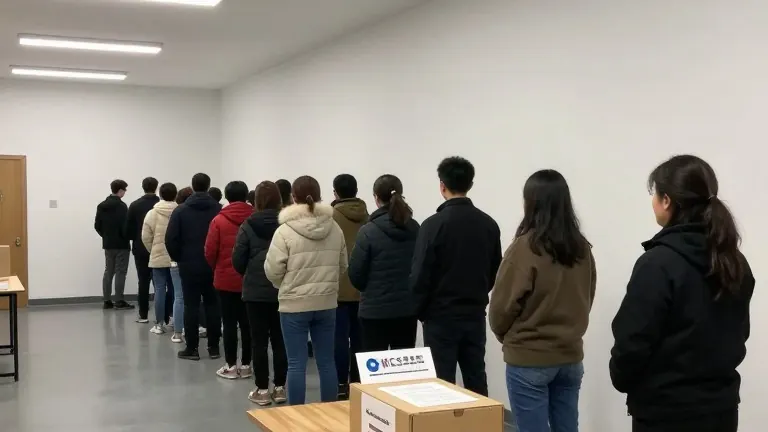
The election also tests public confidence in the voting system itself. Nonpartisan experts generally support the current administrative processes. The Help America Vote Act of 2002 helped modernize voting with touch-screen technology and paper trails. However, President Trump has repeatedly questioned the integrity of the results without providing new evidence. He has urged followers to ignore polling and news reports that do not align with his preferred outcome.
Tension is expected on election night, but the greater stress may come in the days that follow. The outcome will determine which party controls Congress in the new year. It will also set the stage for the 2028 presidential race. Voters will decide if the current political direction holds or if the nation shifts course based on their experience with the current administration.
Source: WYPR