Midterm polls point to Republican losses and a fragile Democratic majority
Trump's approval rating has dropped to 37%, a level historically associated with harsh midterm outcomes for the president's party.
By Benjamin Rousseau ·
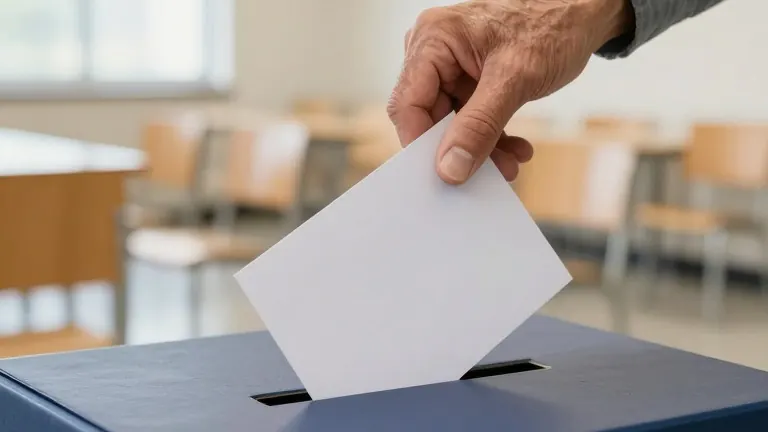
Tuesday's midterm elections will test the confidence of American voters in both the current administration and the electoral process itself.
Polling data indicates that the political pendulum is swinging against the White House incumbent, following a pattern seen in nearly every midterm over the past century. Republicans face projected losses in both swing states and the deep red states that President Trump won in his previous campaigns. The president's final campaign stop included in-person visits to Iowa and Kansas, states with strong Republican voting histories, suggesting a strategy focused on limiting damage rather than securing decisive victories.
The primary driver of this electoral shift appears to be economic dissatisfaction. While Trump campaigned on lowering inflation and reducing everyday costs, current figures show inflation remains elevated and gas prices continue to surge. This economic reality has contributed to a sharp decline in the president's approval rating. Recent poll averages show support falling from 52% in early 2025 to 37% currently. This figure breaks below the 40% threshold that has historically signaled severe midterm results for the governing party.
Democrats may gain control of the House, though their majority is expected to be modest. The Senate race remains too close to call, with Republicans potentially retaining a tie-breaking advantage through Vice President Vance. However, analysts caution that even if Democrats secure a majority, their internal divisions could complicate governance. The party faces a growing split between centrist consensus builders and progressive firebrands, including candidates aligned with the Democratic Socialists of America. These progressive nominees have become a central target in Republican advertising, even in districts where they lost primary contests.
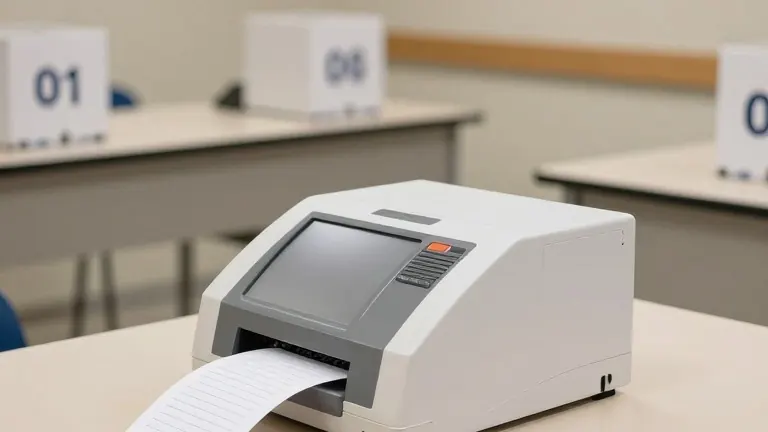
The election also raises questions about the durability of trust in U.S. voting systems. Nonpartisan experts cite improvements in election administration since the Help America Vote Act of 2002, which replaced outdated punch-card ballots with touch-screen technology and paper trails. Despite these upgrades, President Trump has repeatedly questioned the integrity of polls and news reports, labeling them fake. His history of challenging election results, including the events of January 6, 2021, suggests that tensions may persist in the days following the vote.
Political demographer Ruy Teixeira, who is based at the American Enterprise Institute, has outlined specific challenges for Democrats if they regain congressional power. His recent work asks whether the party will prioritize the economic interests of white, non-college-educated voters over its current focus on social policy. This demographic remains a critical voting bloc, and the party's ability to unite around issues like energy prices and grocery costs will be tested as it moves toward potential control of at least one chamber of Congress.
Source: KPBS
More Business · Watch Your Wallet · Report a business · Got a Story?