Honda’s Marysville plant reshaped auto trade
Forty-four years ago, a Civic rolled off the line in Ohio, ending the era of imported Japanese cars.
By Amira Patel ·
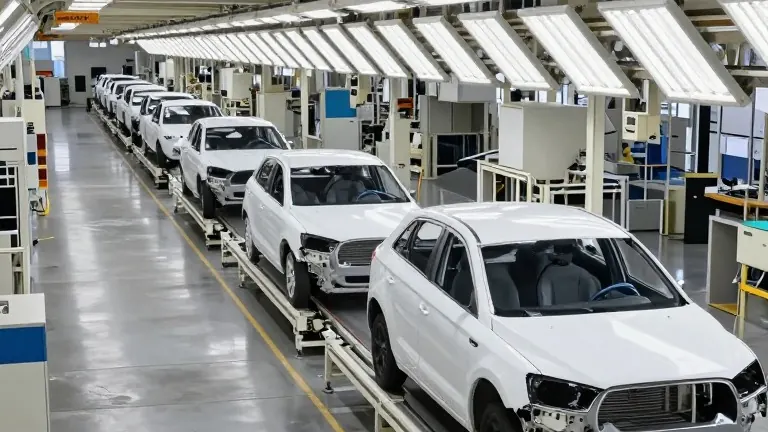
On November 1, 1982, the first car built by a Japanese manufacturer in the United States rolled off the assembly line at Honda’s plant in Marysville, Ohio. The vehicle was a Civic, and its production marked the end of a period when American consumers bought Japanese cars exclusively as imports.
Honda of America entered the U.S. market in 1972 by importing vehicles from Japan. By the late 1970s, the brand faced rising import taxes and competitive pressure from domestic rivals like Ford and General Motors. Building locally allowed the company to bypass tariffs and reduce shipping costs.
The Marysville facility began construction in 1979. It cost approximately $125 million to build and created more than 2,000 jobs in the local area. The plant was designed with a focus on lean manufacturing techniques that minimized waste and inventory.
The first model to leave the line was the Civic sedan. It shared the same body and engine as the Japanese version but was assembled with local parts. This strategy allowed Honda to offer a competitive price point while maintaining quality standards associated with the brand.
The move had immediate financial implications for the auto sector. Domestic manufacturers, particularly those in the Rust Belt, watched closely. They feared that other Japanese firms, such as Toyota and Nissan, would follow Honda’s lead and build plants in the U.S. to capture market share.
Honda’s decision set a precedent for foreign investment in American manufacturing. It demonstrated that foreign brands could successfully integrate into the U.S. supply chain. Within a decade, several other foreign automakers had opened facilities in states like Kentucky, Alabama, and Texas.
The plant’s opening coincided with a shift in labor relations. The United Auto Workers union negotiated contracts for the new plant, marking one of the first major unions agreements with a Japanese automaker in the U.S. This helped establish a framework for labor practices in foreign-owned factories.
Market data from 1982 shows that Honda’s U.S. sales grew steadily after the plant opened. The local production helped the brand gain credibility among buyers who preferred domestically assembled vehicles. It also reduced the company’s exposure to exchange rate fluctuations between the yen and the dollar.
The Marysville plant remains one of Honda’s largest manufacturing sites in North America. It continues to produce the Civic and other models for the domestic market. The 1982 milestone stands as a turning point in the globalization of the auto industry, illustrating how manufacturing location affects price, competition, and trade policy.
Source: Boston Herald
More Business · Watch Your Wallet · Report a business · Got a Story?