Oil Hits Record As Iran Targets Fleet
Rising crude prices and naval threats mark a new phase in the ongoing Middle East conflict.
By Benjamin Rousseau ·
Market volatility intensified this week as geopolitical risks in the Middle East reached a critical juncture.
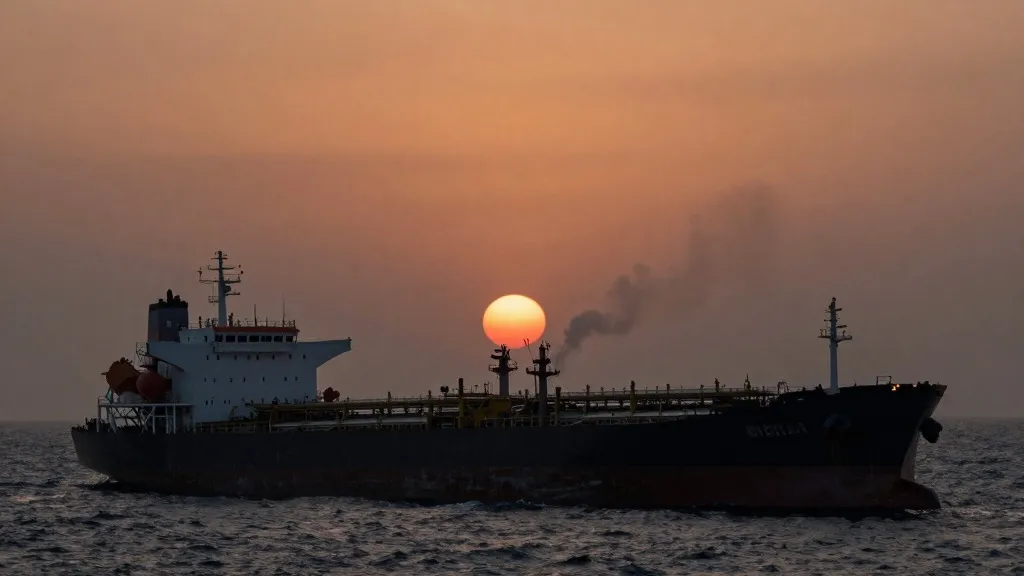
The price of Brent crude climbed to approximately $117 per barrel, marking its highest level since April. This surge reflects market anxiety over renewed hostilities and the continued disruption of shipping lanes. Investors are closely monitoring the Strait of Hormuz, where the Islamic Revolutionary Guard Corps reported that seven tankers were attacked or hit mines overnight into Thursday. By Friday, the group claimed two supertankers had also struck mines. These incidents underscore the fragility of energy supply chains and the growing premium on risk in global markets.
Washington appears divided on its next strategic move. President Donald Trump stated in Florida that the US military might launch another major bombing campaign, a reference to the initial strikes that opened the conflict. However, he also considered whether to let the naval blockade and sanctions continue to pressure Tehran. This indecision has created a window for Iranian hardliners to escalate. Ali Abdollahi, chief of general staff for Iran's armed forces, declared that the US Navy cannot re-enter Iranian territorial waters. He asserted that American forces can only dream of returning to the Persian Gulf, suggesting a shift toward more aggressive defensive posturing.
The military situation remains fluid and increasingly offensive. Abdollahi noted that US rhetoric is contradictory, arguing that Washington claims Iranian capabilities are destroyed yet keeps its carriers at a distance. Iranian forces aim to pull the US and Israel into a quagmire in retaliation for the February 28 surprise attack that started this eight-month war. On the ground, the Iran-allied Houthis in Yemen struck Riyadh on Saturday, following recent hits on Dammam airport and the Shaybah oilfield. Saudi forces responded with bombings in Houthi-held areas such as Marib and Taiz. In Lebanon, Israeli air strikes near Nabatieh and artillery near Zawtar ash-Sharqiyah indicate that multiple fronts are active simultaneously.
Diplomatic efforts have stalled, deepening concerns among regional partners. Senior diplomats from Turkiye, Saudi Arabia, Pakistan, and Egypt met with counterparts from Europe in Istanbul without US or Iranian participation. Turkiye's Foreign Minister Hakan Fidan warned that a new attack would widen the conflict. German Foreign Minister Johann Wadephul blamed Iran and the Houthis for instability, while the four regional ministers cited Israeli occupation as a primary source. Despite backing the Islamabad memorandum, the group demanded unrestricted passage through Hormuz. Iranian state media dismissed the talks, claiming a gap between diplomatic claims and field realities. Analysts suggest that Tehran is preparing for a potential 'zero hour,' signaling that negotiations may end if bombardment continues.
Source: Al Jazeera
More Business · World news · Watch Your Wallet · Report a business · Got a Story?