Space Force Offers Rejected As Starship Lunar Plan Faces Fueling Hurdles
SpaceX turned down three military contracts while a NASA panel flagged significant refueling needs for lunar missions.
By Amira Patel ·
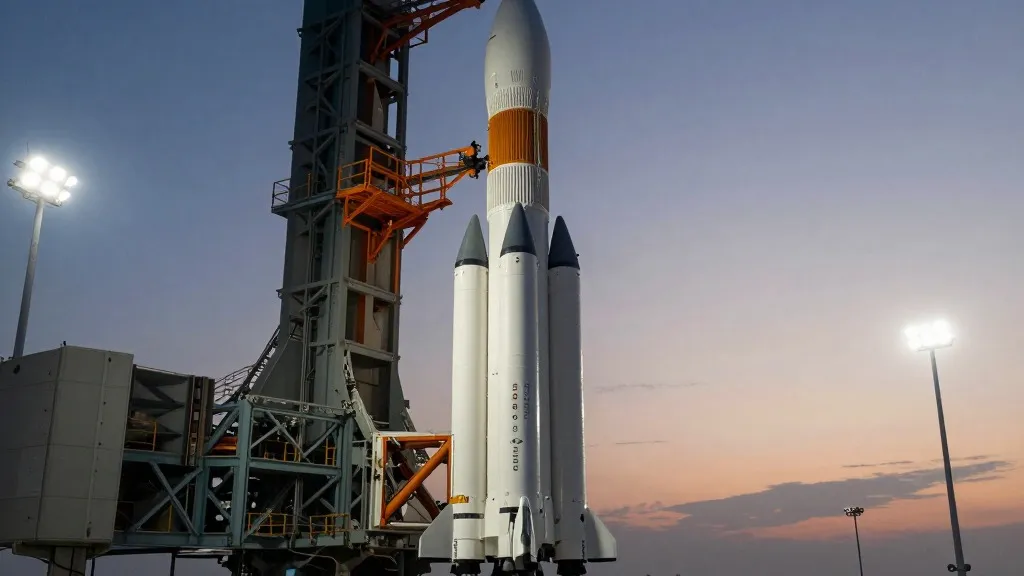
SpaceX has formally declined three launch contracts offered by the US Space Force, a move that signals a potential shift in how the dominant commercial provider handles military business. The decision, revealed this week, leaves the Space Force without the specific payload slots it had sought to secure with the company. While the exact reasons for the refusal have not been fully detailed, the rejection stands out as a notable development in the ongoing relationship between the private sector and government space operations.
The numbers surrounding SpaceX’s lunar ambitions also drew scrutiny from a NASA safety panel. The group indicated that the Starship vehicle might require as many as 22 in-orbit refueling operations to support a crewed landing on the Moon. This figure highlights the logistical complexity of the mission. It suggests that the path to a lunar landing is not just about building a larger rocket, but about mastering a highly intricate and potentially fragile sequence of orbital maneuvers.
Several key figures and entities are central to these developments. The US Space Force, which had actively pursued the contracts, is now left to seek alternative providers or adjust its launch cadence. On the other side of the table, SpaceX executives have managed the company’s portfolio to prioritize what they view as more strategic opportunities. Meanwhile, the members of the NASA safety panel are tasked with ensuring that the ambitious refueling requirements do not introduce unmanageable risks to the astronauts who will eventually rely on this infrastructure.
Beyond the US, the global launch landscape continues to evolve with new entrants testing their capabilities. In Spain, PLD Space is advancing its Miura 5 rocket, which is nearing final integration for its inaugural launch. CEO Raúl Torres stated that the company has manufactured three of these vehicles, with the other two used to qualify key system elements. The first flight is now targeted for before mid-2027. A second stage has already been fully integrated and is undergoing system-level testing at the Teruel test facility, including a static hot-fire test. Torres noted that working across different production stages has allowed the team to apply lessons learned directly to the launch vehicle.
In Canada, Reaction Dynamics is moving to scale up its operations. The startup is seeking to raise $350 million to expand its workforce from 68 to more than 350 employees. This capital injection is intended to support the development of the Aurora small-lift rocket, which the company hopes will reach orbit in 2028. Additionally, Reaction Dynamics has announced plans for a medium-lift rocket named Borealis, with a debut targeted for 2031. These efforts illustrate a broader trend of new players attempting to carve out niches in the launch market, even as established giants like SpaceX navigate complex decisions about their own future direction.
The stakes for these developments are high. For the Space Force, the rejection of the contracts forces a re-evaluation of its launch strategy. For NASA and SpaceX, the 22-refueling requirement for Starship represents a significant technical hurdle that could impact the timeline for lunar missions. For emerging companies like PLD Space and Reaction Dynamics, the next few years will determine whether they can successfully transition from development to operational status. The coming months will reveal how these various players adapt to the shifting dynamics of the space industry.
As the industry moves forward, the focus remains on reliability and cost. The decisions made by SpaceX this week, alongside the progress of international competitors, underscore the competitive nature of the launch market. Stakeholders in both the public and private sectors will be watching closely to see how these changes affect the pace of space exploration and the accessibility of orbital access.
Source: Ars Technica · original report published