Starlink fleet grows past 11,000 as Falcon 9 flights slow
SpaceX launched 27 satellites from California on Oct. 23, ending an 11-day pause in its most frequent rocket program.
By Michael Lombardi ·
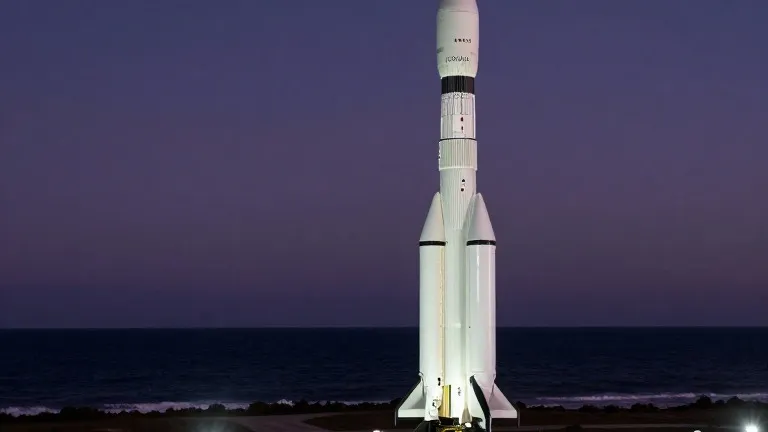
SpaceX lifted a batch of 27 Starlink satellites into orbit on Oct. 23, pushing the total number of active spacecraft in the constellation beyond 11,000. The launch occurred at 6:48 p.m. EDT from Pad 4E at Vandenberg Space Force Base in California.
The mission, identified as Starlink Group 15-15, marked the 116th Falcon 9 flight of 2026. Approximately 75% of the rocket's missions this year have been dedicated to deploying Starlink hardware. The launch followed an 11-day gap, which was the longest pause between Starlink missions of the year.
Flight data shows the first stage booster, designated B1063, separated from the upper stage 2.5 minutes after liftoff. The booster subsequently reentered the atmosphere and landed on the droneship Of Course I Still Love You. This marked the 36th launch and landing for that specific booster.
SpaceX is currently shifting its operational focus toward the Starship rocket. Starship is designed for full reusability and features a payload bay large enough to carry Version 3 Starlink satellites. These newer satellites are too large for the Falcon 9 fairing. Once Starship operations begin in earnest, the company plans to phase out both Falcon 9 and Falcon Heavy.
The reduction in launch frequency is already evident in the schedule. The previous Starlink mission, launched 11 days earlier, was itself the first flight in more than three weeks. At the height of the program, Starlink missions departed every two to three days.
Analysts note that the 100th Falcon 9 launch of 2026 was the final Starlink mission from the Florida Space Coast. A similar shift may soon occur for West Coast launches. At the current pace, the Falcon 9 is projected to fly just under 150 missions by the end of 2026.
This figure would cement 2025 as the busiest year in the rocket's history, during which it completed 165 launches.
Source: Space.com