Woman sues Westminster council over Montenegro embassy noise impact
Diana Simpson claims the local authority ignored her mental health needs when approving the diplomatic change of use.
By Benjamin Rousseau ·
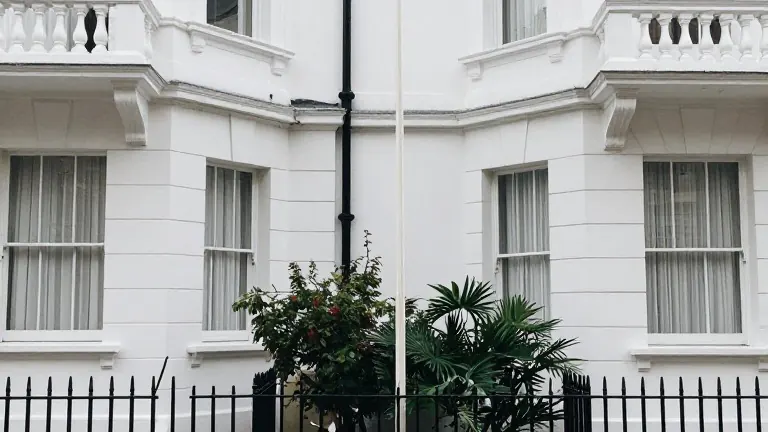
Diana Simpson has launched a High Court action against Westminster city council, arguing that the body failed to consider how the arrival of a new diplomatic mission next door would affect her mental health. The 35-year-old resident is seeking judicial review and potential damages in a case currently before Justice Mould.
Simpson, a Stanford graduate and daughter of a former US diplomat, has lived on Cambridge Street in Pimlico for over 30 years. She suffers from clinical anxiety, long Covid, and a functional neurological disorder, for which she receives disability benefits. In her statement of grounds, she describes how the embassy's presence has disrupted her sleep patterns and triggered what she terms a primal fear response.
The dispute began with the conversion of a five-bedroom family home into the embassy of Montenegro. Neighbors initially objected to the aesthetic changes, with one resident describing the new flagpole as a sore thumb among Grade II-listed buildings. Another critic called the red flag with its gold border gaudy and out of keeping with the Regency frontages designed by Thomas Cubitt.
Tensions eased slightly after the chargé d’affaires hosted evening drinks for the street, a move one resident noted should perhaps have happened earlier. However, the social gesture did not resolve the planning concerns. Simpson alleges that when Montenegro eventually sought planning permission for the change of use and the flagpole, the council proceeded with a flawed public consultation. She claims the authority acted irrationally and kept a closed mind to objections after the Foreign Office granted its permission.
In her filings, Simpson cites breaches of the Human Rights and Equality Acts. She wrote that she had considered whether it remained tenable to continue living in the house, which she had anticipated occupying for the rest of her life. Leaving, she argued, would separate her from a local tight-knit community.
Westminster city council denies the allegations. In its defense statement, the council asserts that there is no plausible interference with the claimant’s home or her private and family life. The local authority is seeking a summary judgment without a full hearing.
The case underscores a recurring friction in London, where smaller nations often relocate to more affordable areas as rents in prime districts rise. While major powers maintain embassies in Belgravia or Mayfair, lower-tier states frequently settle in neighborhoods like Pimlico or Kensington. This trend has led to similar complaints elsewhere, such as in Kensington, where the Turkmenistan embassy recently opened in a home previously owned by the late king of Malaysia.
A local correspondent in Kensington questioned the lack of courtesy shown to immediate neighbors regarding the Turkmenistan move. She noted that the property had been vacant for some time and expressed unease about the presence of signage and a flag. When approached at her home, the resident said the new neighbors have been quiet so far but remained concerned about the change.
The approach varies by nation. North Korea, for example, has maintained its diplomatic presence in a seven-bedroom home in Ealing for two decades. A retired solicitor living two doors down reported hearing no noise from the embassy. A workman renovating a neighboring property described the North Korean staff as lovely people, noting they had helped tidy the front greenery.
Source: The Guardian