Brent crude up 60% as Gulf states brace for post-midterm Iran strikes
Qatar mediators have spent 72 hours in Tehran and Doha trying to prevent a new U.S. attack, but Iran’s foreign minister says no final deal has been reached.
By Benjamin Rousseau ·
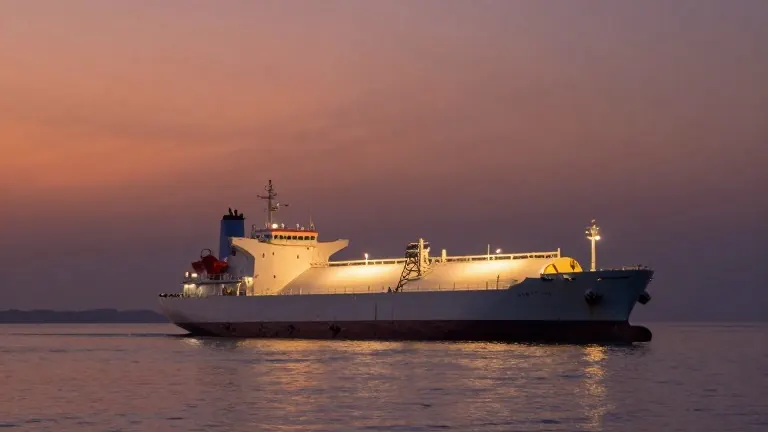
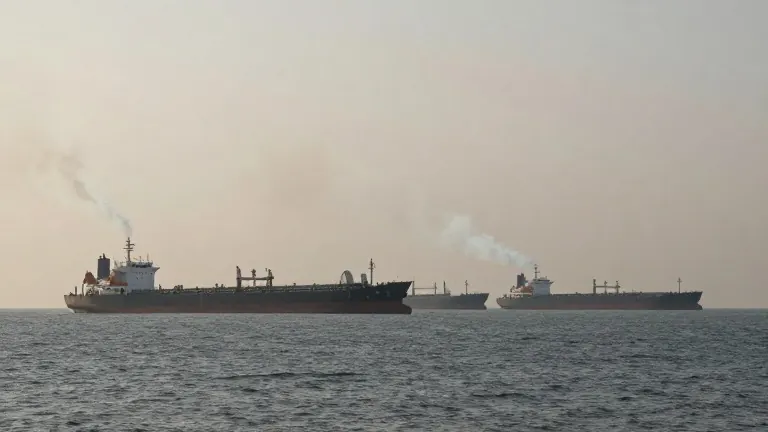
Brent crude oil stands 60% higher today than before the war began, a price tag that reflects the uncertainty hanging over the Persian Gulf. The United States and Israel are planning for possible strikes on Iran following Tuesday's midterm elections, while Qatar has led intense mediation efforts over the past 72 hours to prevent those attacks.
The timeline of the current conflict stretches back to February 28, when the war began. The U.S. and Israel launched the campaign eight months ago, killing Iran's supreme leader and top military commanders while destroying many ships and missile production sites. Despite these losses and crippling economic sanctions, the war has not toppled Iran's regime, a stated goal of Israel.
Qatar has kept details of the mediation tight-lipped, though mediators visited Tehran and an Iranian delegation traveled to Doha. Abbas Araghchi, Iran's foreign minister, was quoted in Iranian state media on Sunday as saying there is still no definitive conclusion to the talks. He mentioned discussions regarding a two-day plan where Iranian forces would stop attacking ships in the Strait of Hormuz to allow direct talks between Washington and Tehran to resume.
President Donald Trump addressed the possibility of restarting the war at a Halloween party in Mar-a-Lago. He stated, "We're not in that much of a hurry." Trump claimed that U.S. forces have knocked out almost every piece of military equipment and a lot of manufacturing capabilities in Iran. He added that while one or two nuclear sites remain, the U.S. could take care of them in 10 minutes.
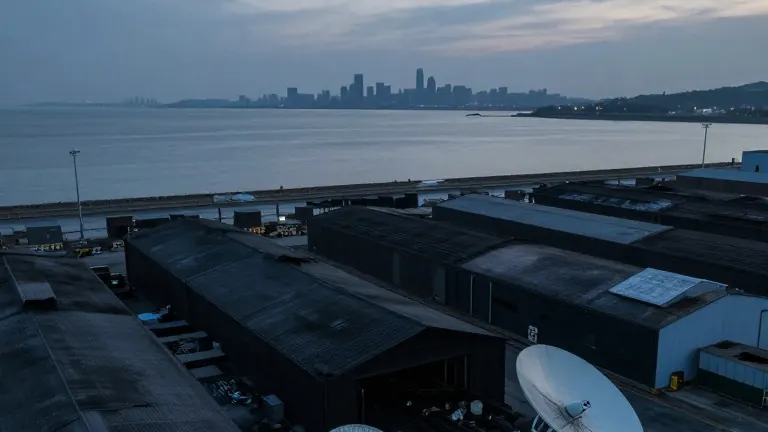
In Bahrain, Aya Batrawy, NPR's international correspondent, reported that the damage from the conflict is visible from the highway at the U.S. Navy's 5th Fleet logistics hub. Radar equipment appears hit, and warehouses are charred and blackened. Before the war, the base housed 8,000 military personnel; now, that number is down to less than 100.
Bahrain's foreign minister, Abdullatif Al Zayani, spoke at the Manama Dialogue security forum about missiles and drones fired at the country. He noted that Iran's Revolutionary Guard made new threats this month to hit undersea internet cables in the Strait of Hormuz if war resumes. Al Zayani said, "This follows the same pattern we have seen at sea - a shared artery is being used as a tool of pressure and threat." Iran previously hit Amazon data centers in the United Arab Emirates during the peak of the war.
Mojtaba Khamenei, Iran's supreme leader, sent a message to senior armed forces commanders this weekend. He said any threat to the country must be met with an immediate response "without geographical limitations." Iranian state media interpreted this to mean new Israeli or U.S. attacks would inflict greater damage than previously seen.
Gulf Arab states view Iran as a top security threat but also as a neighbor they do not want at war with. Anwar Gargash, a senior Emirati diplomat, said at the summit that political tools should be the main instrument for resolving the crisis. He argued that military solutions will only complicate the current scene and will not bring a quick off-ramp to a solution.
Economies across the Gulf are suffering, with places like Dubai no longer feeling like safe havens for investment or tourism. Saudi Arabia is currently struggling to protect its airports and oil facilities from attacks by Iran-backed Houthis in Yemen. The region's united message is that more attacks on Iran will be devastating.
Source: Delaware Public Media