Laurent Nuñez Deploys 70,000 Officers to Contain Second Week of French Protests
French authorities tightened security across major cities this weekend to prevent a repeat of last week's widespread unrest over rising living costs.
By Amira Patel ·
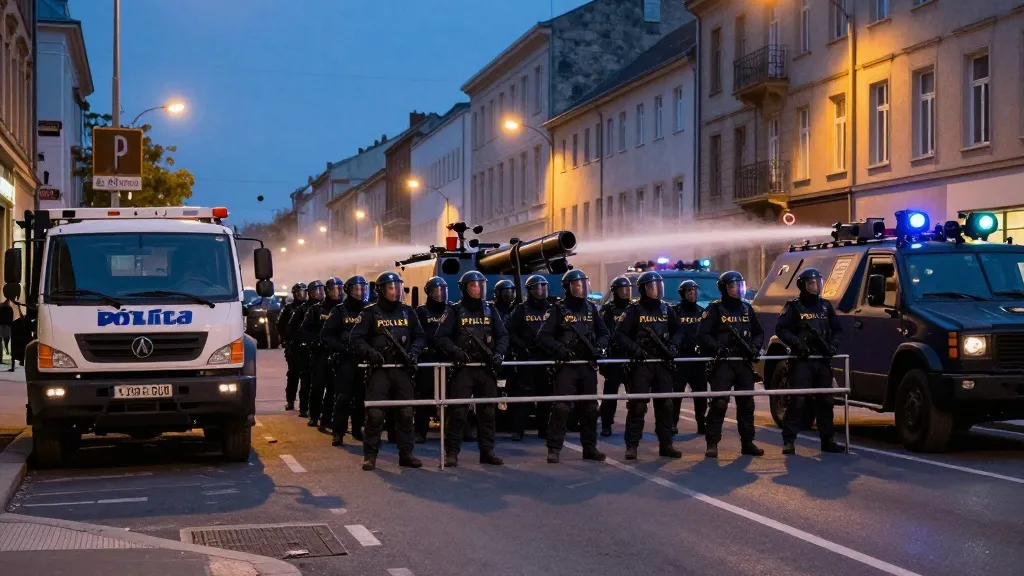
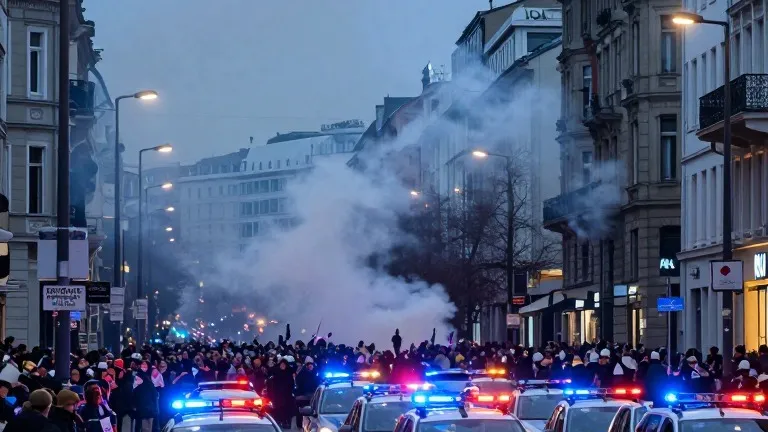
French police detained dozens of demonstrators and deployed tear gas on Saturday as the nation entered its second consecutive weekend of civil unrest. Authorities significantly increased security measures in major cities to prevent a recurrence of the disorder seen the previous week, when more than half a million people participated in nationwide marches.
Interior Minister Laurent Nuñez reported that 135 individuals were arrested during the day. Law enforcement officers seized a variety of items, including metal and steel balls, lead pellets, fireworks, slingshots, airsoft guns, and even a katana. Nuñez stated that no major incidents had occurred thus far, noting that up to 70,000 police officers were deployed alongside helicopters, armored vehicles, and water cannons to maintain order.
Tensions were particularly visible in Lyon, where demonstrations had been officially banned. Approximately 150 protesters near the city center attempted to block a road before police dispersed them with tear gas. A 21-year-old student who spoke to Agence France-Presse anonymously described the police presence as highly mobile, noting that officers often disrupted marches before they could fully form.
In Orleans, thousands of people marched against a congress being held by Marine Le Pen’s National Rally party. Le Pen is using this event to launch her presidential bid for the election scheduled in six months. While surveys indicate she is best positioned to win, demonstrators chanted slogans demanding both Le Pen’s imprisonment and Emmanuel Macron’s resignation. Police counted 11,000 participants, though organizers claimed the number was 26,000. The protest, which involved unions and left-wing groups, ended peacefully in the early afternoon.
In Paris, the mood was described as calm, with hundreds gathering at the Porte d’Itale for the city’s only authorized march. Police relocated the event from the Bastille to the southeastern edge of the city at the last minute. Union representative Murielle Guilbert called this move scandalous, arguing that Macron was preventing citizens from demonstrating in their preferred locations. A student named Lucas told CBS Saturday Morning that it was normal for people to feel angry given that wages had not risen to expected levels.
The ongoing unrest has disrupted daily life and major cultural events in the capital. Many businesses have boarded up their windows, and major museums remain closed. Art Basel opened on Friday for a single day before cancelling its weekend program. The first NFL game in France, scheduled for Sunday, remains on the calendar despite some venue closures, while a soccer match between Paris Saint-Germain and Olympique Lyonnais was moved to Monday night. Last weekend, approximately 3,000 shops across France were damaged or looted.
The movement began last month with high school students in southeastern Paris demanding better conditions, which evolved into broader demands for relief from high living costs. The Yellow Vests, a group that emerged about eight years ago, plan further demonstrations on October 31. They intend to hold rallies and a sit-in outside parliament to condemn what they describe as the government’s authoritarian drift. Similar unrest has spread across Europe, with Italy deploying soldiers to Milan and Albania using water cannons on student protesters in Tirana.
Source: CBS News