Labor Shift: Brazil's run-off hinges on a changing working class
The transition from factory work to gig labor is influencing voter choices in the final presidential contest between Lula and Flávio Bolsonaro.
By Michael Lombardi ·
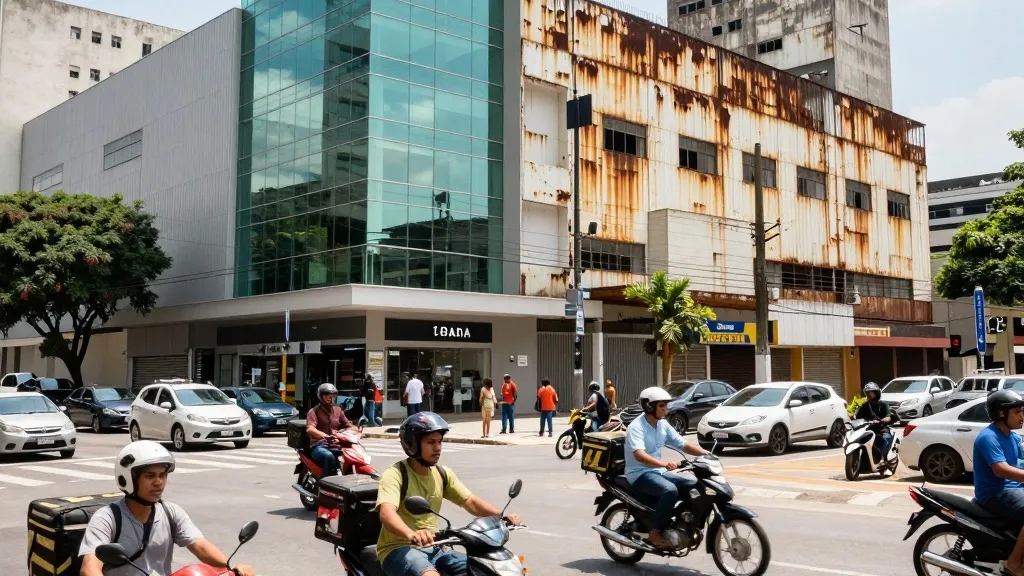
Brazilian voters head to the polls on Sunday for a presidential run-off that is being defined by a fundamental shift in how citizens earn their livelihoods. In Osasco, a former industrial hub now known as São Paulo's Silicon Valley, old factories have given way to shopping malls and delivery app headquarters. This municipality supported left-wing President Luiz Inácio Lula da Silva in 2022 but shifted its support to right-wing candidate Flávio Bolsonaro in this month's first round. Bolsonaro won that initial vote nationally, and every first-round victor since 1989 has ultimately secured the presidency.
Gilberto Almazan, a metalworkers' union leader in Osasco, expresses anxiety over the city's deindustrialization. He notes that metal, chemical, and textile plants have vanished, replaced by five new malls. Almazan describes the traditional union movement that fueled Lula's rise as stuck in the Middle Ages. Many workers now operate as drivers, couriers, or small traders, a trend Almazan terms Uber-isation. He argues that these workers prioritize flexibility over the collective welfare structures Lula has historically championed. Richard Lapper, a biographer of both leaders, adds that Brazil industrialized late and deindustrialized early, intensifying these economic effects.
Despite unemployment hitting a record low and Brazil exiting the UN Hunger Map under Lula, a crisis of expectations persists. Lapper suggests that higher prices, household debt, and interest rates prevent many from feeling better off. Robson, a 53-year-old civil servant and former Lula supporter, blames government mismanagement for heavy taxes. Tairine, a hot dog seller who previously abstained, now intends to vote for Bolsonaro, citing a lack of change. Lawyer Gisele Bonfim, a 2022 Lula voter, sees Bolsonaro as a hope for change.
Flávio Bolsonaro proposes cutting government spending, ministries, and certain taxes while retaining some of Lula's key welfare programs. He faces corruption accusations, which he denies. Abstentionism was high in the first round, with 33 million people not voting, the highest number since 1998. Lula's campaign is countering with massive street rallies, including one in São Paulo that drew about a million people. The 80-year-old president has also used social media to reject claims that he is past his prime, branding himself the king of selfies.
Among the poorest voters, Lula's welfare record remains influential. In Maré, one of Rio's largest favelas, Lula won despite above-average abstention. Vitoria, an 18-year-old mother earning under 300 pounds a month, praises his minimum wage increases and free medicines. She fears Bolsonaro's plan to designate the Comando Vermelho gang as a terrorist organization, citing last year's deadly police raids. Resident Andreza Dionísio blames last-minute polling station changes and general hopelessness for low turnout.
Evangelical churches are increasingly filling service gaps with childcare and employment advice. Pastor Silas Malafaia, who is under investigation for allegedly obstructing Jair Bolsonaro's coup trial, says Flávio shares the church's values on family and abortion. However, the first round results appeared more like a rejection of Lula than an endorsement of his rival. Almazan fears there will never be another Lula, suggesting the president's fate depends on whether voters believe he can present a new narrative for the country.
Source: BBC News