Thousands of Israelis Pack Their Bags as Election Looms
A recent study reveals that nearly 100,000 citizens have departed in the last three years, a record high that experts say could accelerate before the upcoming national vote.
By Benjamin Rousseau ·
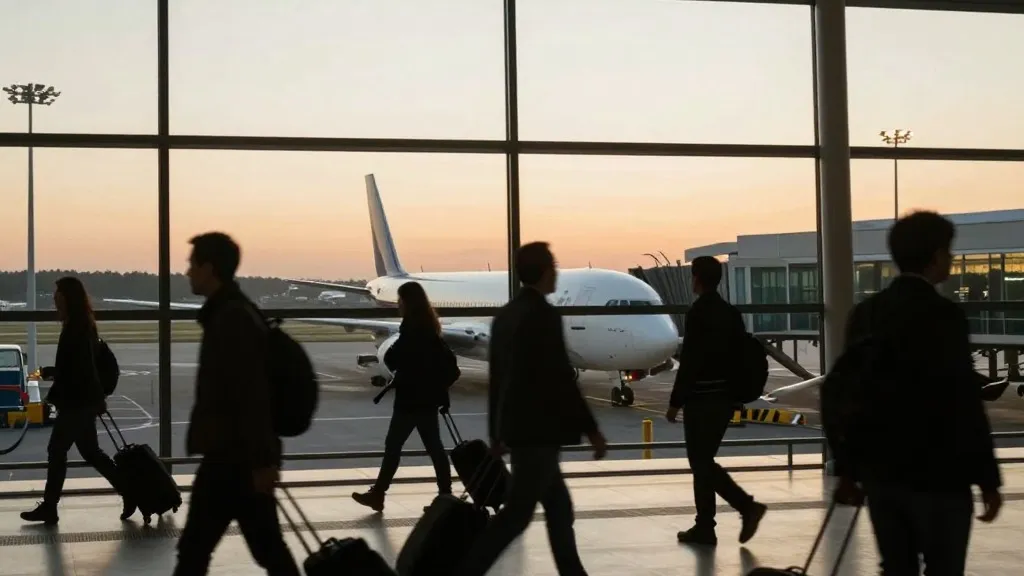
A historic wave of emigration is reshaping the demographic landscape of the state of Israel.
Recent academic research indicates that approximately 99,000 citizens departed between January 2023 and December 2024. This figure represents the highest total for any three-year period in the nation's recorded history. The study, which relied on official government data, defined those leaving as individuals who remained abroad for at least three consecutive months and spent more than 270 days outside during the first year of their absence. Roughly half of that total, or 50,000 people, left in 2023, while 49,000 followed in 2024. Preliminary indicators suggest that this upward trend persisted throughout 2025.
Itai Ater, a professor at the Coller School of Management at Tel Aviv University, led the research team. He argues that the period since 2023 has been defined by significant instability for a population of about ten million. Factors such as active conflict, economic anxiety, and a prolonged legal battle involving the prime minister have contributed to a sense of unease. Ater notes that many residents are questioning whether they wish to raise their families in such an environment, and he expresses empathy for those who choose to leave. The context includes the 2023 attack by Hamas on the south, which claimed roughly 1,200 lives and resulted in 250 hostages being taken. Israel’s military response in Gaza remains intense, even though a fragile ceasefire took effect in October 2025. Currently, Israeli forces control about 60 percent of the territory and maintain regular operations there.
The upcoming national election next week introduces a new layer of uncertainty into this equation. Prime Minister Benjamin Netanyahu, who has held power for three decades, is seeking another term. However, polling data suggests his far-right coalition will likely fail to secure the 61 Knesset seats required for a stable majority. A competing bloc led by Gadi Eisenkot of the Yashar party is expected to win the most seats, though it too may lack a governing majority. Since coalitions are typically necessary, the post-vote negotiations often determine the final outcome, a process in which Netanyahu has long excelled.
Stakes are high for both individuals and the broader economy. Ater warns that without a political shift, emigration rates could surge significantly. Avigail Ben-Porat, a 50-year-old single mother living in Kiryat Shmona near the border, shares this sentiment. She dreams of relocating but lacks the financial resources to do so, noting that friends have already moved to Portugal, Canada, Thailand, and India. The loss of skilled workers is also a growing concern. The study highlights a sharp increase in the departure of highly educated professionals, including 2,360 engineers and 509 doctors. Ater emphasizes that Israel’s economic strength depends on this human capital, particularly in technology, academia, and healthcare.
Corporate leaders are also reconsidering their presence in the country. Liam Schwartz, who heads corporate immigration at a major Tel Aviv law firm, reports that some companies face pressure from international investors who question the viability of operating from Israel. These firms are increasingly open to relocating parts of their workforce to North America or Europe. Schwartz links this discontent to the proposed judicial reforms of January 2023, which aimed to reduce the powers of the Supreme Court. He states that many feel the government is no longer honoring its social contract. Both experts view the October vote as a potential turning point that will determine the future trajectory of Israeli emigration and the nation’s standing as a liberal democracy.
Source: CBC News