Iraqi PM probes border dispute after Maysan council threatens civil disobedience
Prime Minister Ali Al-Zaidi ordered an inquiry into the provincial council following threats to isolate the region from Baghdad.
By Benjamin Rousseau ·
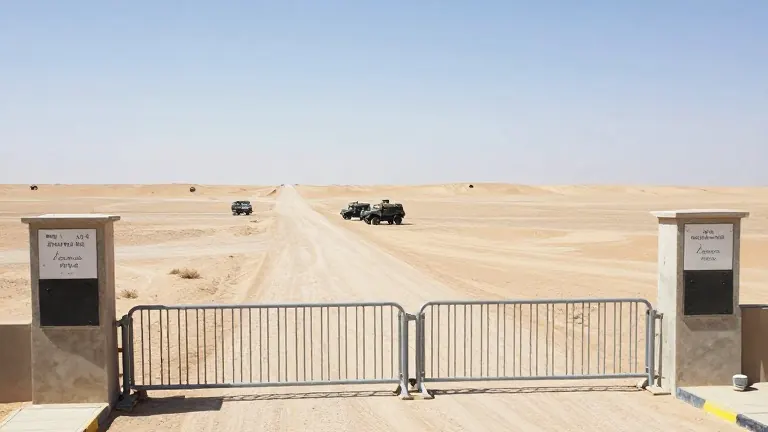
Tensions between Baghdad and the Maysan province escalated on Monday when Prime Minister Ali Al-Zaidi ordered an investigation into the local council. The move followed a public threat from Council Chairman Mustafa Da’ir, who warned of civil disobedience if the central government kept the al-Shib border crossing with Iran closed.
Officials stated that authorities shut the crossing last week to upgrade security and detection equipment. Iraqi official sources told Reuters on Wednesday that the closure was part of a planned maintenance operation. However, Kurdistan Democratic Party lawmaker Salwan Taha Akreyi told Kurdistan24 that the shutdown was requested by Washington. Akreyi argued that the move aimed to restrict transit to and from Iran and hinder Tehran’s efforts to strengthen its militias inside Iraq.
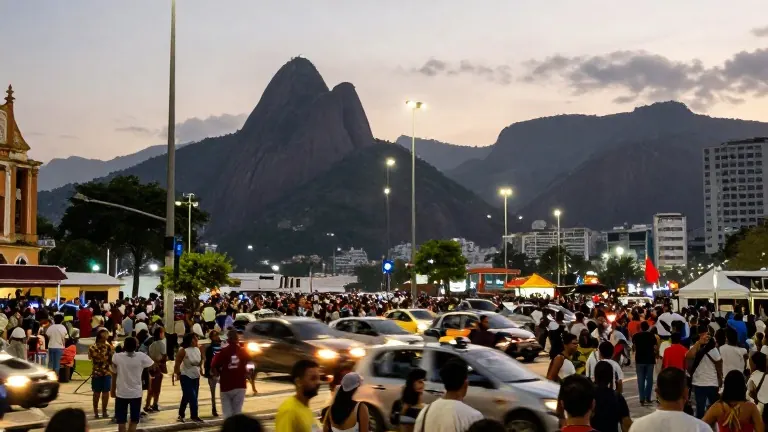
Da’ir reacted by warning that he would cut the province off from the rest of the country. He gave the government a three-day deadline before escalating his response. Asharq Al-Awsat reported that dozens of protesters blocked roads leading to local oil companies to demonstrate against the closure.
The dispute has split political factions in Baghdad. The Badr bloc, a Shiite Islamist group, rejected the prime minister’s call for an investigation. Shafaq News reported that Badr argued the closure was harming the regional economy and that prolonging the dispute risked damaging relations between the capital and the province. The bloc also urged the government to intensify efforts to combat smuggling through unofficial crossings in the Kurdistan region.
The closure occurs as the blockade of the Strait of Hormuz increases Iran’s reliance on land routes through Iraq and Pakistan. Tehran strongly condemned the shutdown, rejecting allegations that the al-Shib crossing had been used to traffic drugs and counterfeit currency.
Source: The Jerusalem Post